


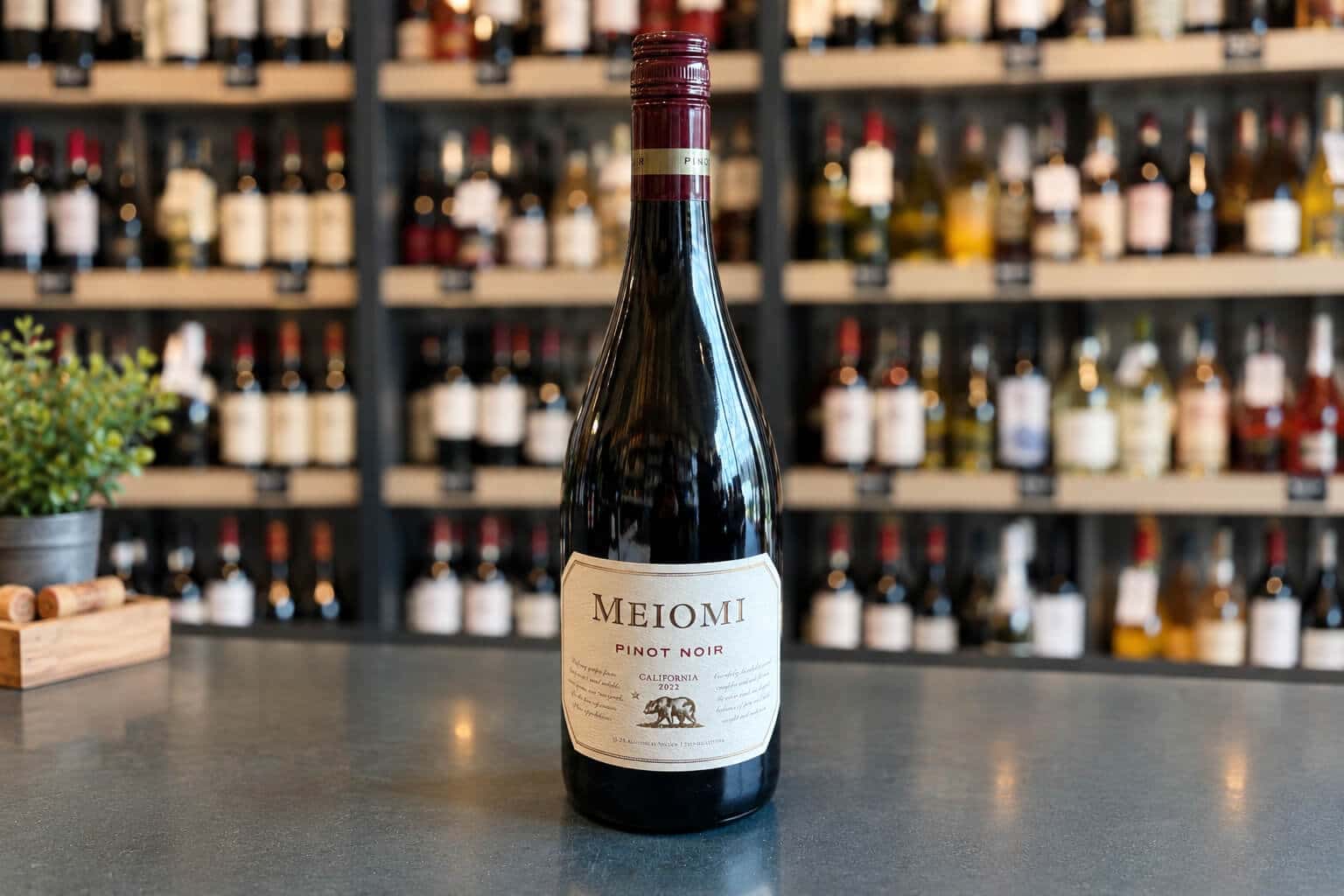
Pinot Noir is one of the world’s most famous grape varieties. From Burgundy to California and Oregon, it has become the foundation for everything from still and rosé wines to some of the world’s most celebrated sparkling wines.
So why does this particular grape have such a devoted following? Pinot Noir is notoriously demanding in the vineyard, yet winemakers around the world keep coming back to it. In this article, we’ll take a closer look at where Pinot Noir comes from, what makes it so distinctive, the different styles of wine made from it, and why it has become such an important part of American winemaking.
Pinot Noir: The French Aristocrat With a Complicated Personality
If grapes had personalities, Pinot Noir would probably be the sophisticated one who knows exactly what it wants — and is not afraid to let you know when conditions aren’t right.
It doesn’t particularly enjoy extreme heat, it is sensitive to growing conditions, and it can change dramatically depending on where it is planted. That’s why winemakers sometimes joke that Pinot Noir needs to be treated almost like a temperamental performer: get the climate, timing, or vineyard conditions wrong, and the show may be canceled.
Pinot Noir’s historic home is Burgundy, one of France’s most famous wine regions. The name is generally associated with the French words pin, meaning “pine,” and noir, meaning “black.” The connection makes sense: Pinot Noir produces small, tightly packed clusters of dark berries that can resemble a pine cone.
Despite its reputation as a demanding — and sometimes downright stubborn — grape, growers continue to plant it all over the world. That alone tells you something about its appeal.
Some of Pinot Noir’s defining characteristics include:
- relatively thin skins;
- moderate tannin levels;
- naturally high acidity;
- small berries and tightly packed clusters;
- strong sensitivity to climate and growing conditions;
- an exceptional ability to reflect the characteristics of its growing site.
That last point is particularly important.
Pinot Noir can produce remarkably different wines depending on climate, soil, crop levels, harvest timing, and winemaking techniques. Two wines made from exactly the same grape variety can end up tasting like they came from completely different worlds.
And that’s part of the fun.
What Kind of Wine Is Made From Pinot Noir?
One of Pinot Noir’s greatest strengths is its versatility. The grape can be used to make a surprisingly wide range of wine styles.
In Champagne, for example, Pinot Noir is one of the three principal grape varieties used alongside Chardonnay and Pinot Meunier.
And here’s where things get interesting.
Pinot Noir is a red grape, but its juice is naturally very light in color. If the grapes are pressed and the juice is separated from the skins quickly, the result can be a nearly colorless base wine.
That’s how a red grape can help produce a white sparkling wine.
This technique is behind the famous Blanc de Noirs style — literally “white from black grapes.” Winemakers commonly produce it from dark-skinned varieties, including Pinot Meunier and other traditional red grapes.
Pinot Noir can be used to make:
- still red wines;
- rosé wines;
- sparkling wines;
- white wines made from dark-skinned grapes;
- blends with other grape varieties.
That versatility helps explain why it has traveled so successfully beyond its French roots.
Of course, simply seeing “Pinot Noir” on the label doesn’t tell you exactly what the wine will taste like. Climate, sun exposure, soil, vineyard elevation, crop yields, harvest date, and winemaking choices can all have a major impact on the final bottle.
A cool-climate grape may be bright, fresh, and highly aromatic, while a warmer-climate version can be richer, riper, and more fruit-driven.
Same grape. Very different personality.
Pinot Noir in America
This variety is hugely popular in the United States and has become one of the country’s most important red wine grapes.
Two regions stand out in particular: California and Oregon.
- California — especially Sonoma County and the Central Coast — is known for producing riper, fruit-forward, and fuller-bodied expressions of Pinot Noir.
- Oregon — particularly the Willamette Valley — has made Pinot Noir something of a state signature. Oregon versions are often associated with vibrant acidity, freshness, and a more delicate, nuanced aromatic profile.
Pinot Noir is also an important grape for American sparkling wine, including wines made using the traditional method.
Its popularity in the U.S. isn’t particularly difficult to understand. This grape offers a compelling combination of lightness, fruit, and complexity. It’s a red wine that doesn’t have to feel heavy or powerful to be interesting.
Depending on the wine, you might find aromas and flavors of cherry, raspberry, strawberry, spice, earth, herbs, cocoa, or subtle oak.
And there’s another reason Pinot Noir fits so comfortably into American wine culture: it’s incredibly food-friendly.
It can work beautifully with salmon, roast chicken, mushrooms, burgers, pizza, and even many Asian-inspired dishes. That’s a pretty impressive résumé for a grape that has a reputation for being difficult.
Top 10 Pinot Noir Brands in America
The U.S. market for this beloved grape is huge, giving American wine drinkers plenty of options. Here are ten of the most recognizable and widely available brands:
Meiomi |
Rich, smooth, and fruit-forward, Meiomi Pinot Noir is built around ripe cherry, strawberry, blackberry, vanilla, mocha, and noticeable oak. It’s one of the most approachable examples of the modern, fruit-driven American wine style. |
La Crema |
Elegant and fresher in style, La Crema Pinot Noir typically highlights red berries, cherry, raspberry, cranberry, and spice, supported by lively acidity and soft tannins. Its Oregon wines tend to show an even more refined and savory character. |
Mark West |
Straightforward, fruity, and affordable, Mark West is designed to be easy to enjoy. The core style features black cherry, strawberry, and plum, while the Black label offers a richer profile with mocha, caramel, and vanilla. |
Josh Cellars |
Soft, rounded, and fruit-driven, Josh Cellars Pinot Noir focuses on ripe red and dark berries with vanilla and subtle oak notes. It’s a good example of the accessible, polished style that has become popular with mainstream American wine drinkers. |
Bread & Butter |
Richer and more oak-forward, Bread & Butter Pinot Noir combines cherry and red plum with floral notes, spice, and sweet, toasty oak. The texture is round, while the tannins remain soft and approachable. |
J Vineyards |
Fruity, spicy, and more nuanced, J Vineyards Pinot Noir reflects the character of Sonoma and the Russian River Valley. Expect red berries, cherry, spice, and, depending on the wine, earthy and oak-driven nuances. The overall style tends to feel more distinctly “winemaker-driven” than some mass-market Pinot Noirs. |
Hahn |
Balanced California Pinot Noir with ripe berry flavors, soft tannins, moderate acidity, and gentle oak and spice notes. It’s a polished example of the California approach to the variety. |
Erath |
Classic Oregon Pinot Noir with bright fruit and refreshing acidity. Dark cherry and boysenberry mingle with floral and herbal notes to create a distinctly cool-climate character. |
Sea Sun |
Silky, rich, and fruit-forward, Sea Sun Pinot Noir delivers black cherry, mixed berries, and chocolate or cocoa notes while maintaining a sense of freshness. The producer itself emphasizes the wine’s silky texture and generous fruit character. |
MacMurray Estate |
More elegant and classically styled, MacMurray Estate Pinot Noir from the Russian River Valley typically shows lavender, black cherry, boysenberry, and pomegranate. It’s medium-bodied with a soft, refined structure. |
In a nutshell
Meiomi — fruit + vanilla + mocha
La Crema — berries + acidity + elegance
Mark West — simple + soft + affordable
Josh Cellars — rounded + fruit-forward
Bread & Butter — rich + oak-driven
J Vineyards — berries + spice + complexity
Hahn — balance + ripe fruit
Erath — freshness + acidity + Oregon character
Sea Sun — silky texture + dark berries + chocolate
MacMurray Estate — elegance + cherry + pomegranate
Conclusion
Pinot Noir doesn’t force a winemaker into one specific style. Instead, it gives the winemaker room to tell a story about climate, soil, region, and human craftsmanship.
Over the past several decades, American winemaking has shown that this grape’s story extends far beyond France. California and Oregon have developed distinctive interpretations of the variety, giving this grape a distinctly American voice while keeping its connection to its European roots.
Wine lovers celebrate World Pinot Noir Day on August 18, honoring a grape that has traveled from the vineyards of Burgundy to California, Oregon, and beyond, becoming an important part of the American wine market.
So on August 18, go ahead and open a bottle of this classic red.
Because if there’s one thing this grape has taught the wine world, it’s this: one grape can have dozens of personalities, depending on where it grows and who makes the wine. And maybe that’s exactly why Pinot Noir is never boring.