


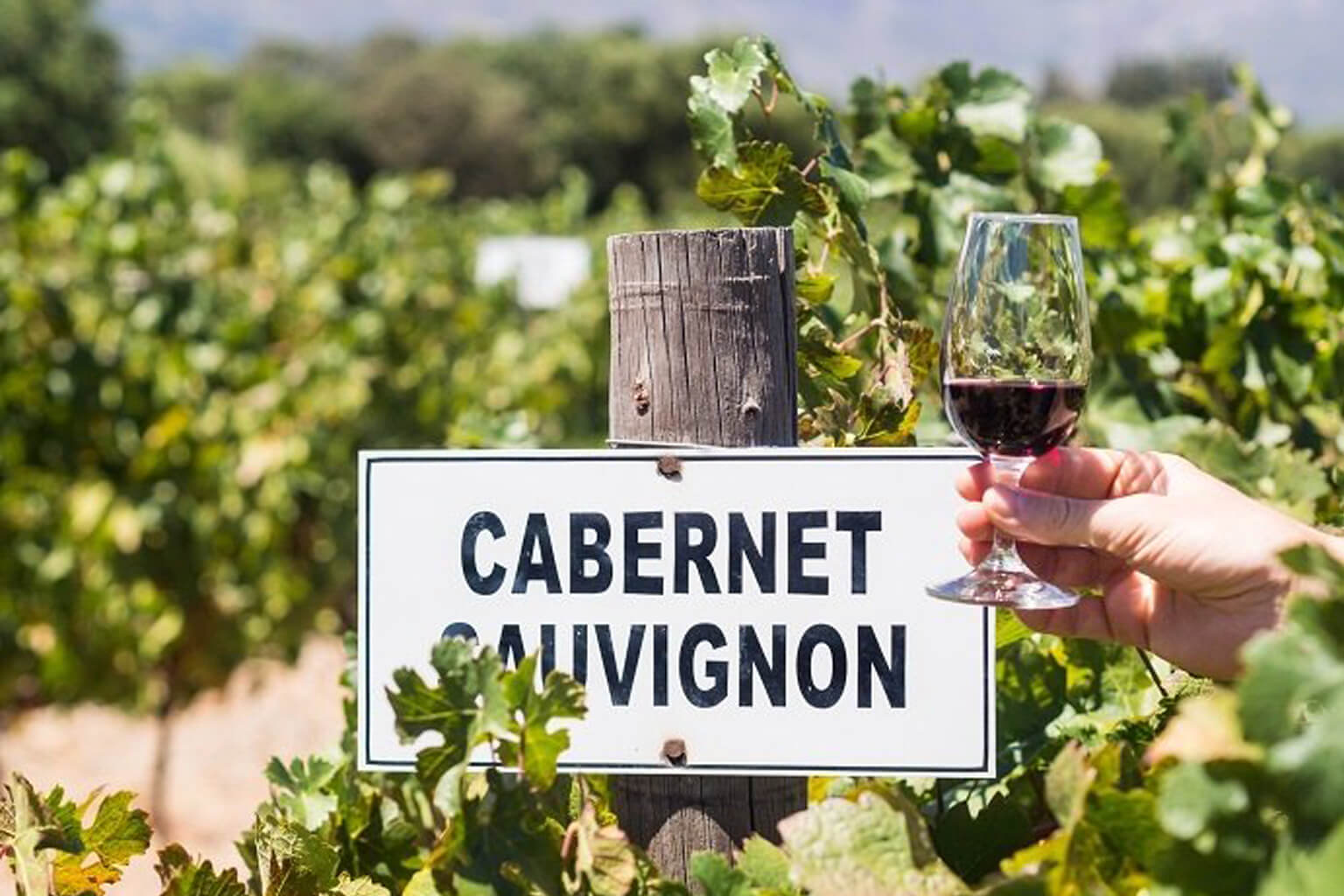
When people talk about the world’s greatest red wines, Cabernet Sauvignon is almost always at the top of the list. Grown in nearly every major wine-producing region across the globe, this iconic grape has become the benchmark against which many other red wines are measured. Its bold flavors, firm tannins, and remarkable aging potential have earned Cabernet Sauvignon a place among the world’s most celebrated wines—from the legendary châteaux of Bordeaux to the acclaimed wineries of California’s Napa Valley.
The Origins of Cabernet Sauvignon
Although Cabernet Sauvignon has centuries of history behind it, its true origins remained a mystery for a long time.
Today, we know that the variety originated in Bordeaux, France, sometime during the 17th century as the result of a natural cross between Cabernet Franc and Sauvignon Blanc.
This wasn’t confirmed until the late 20th century, when DNA analysis conducted by American researchers proved what winemakers had long suspected. Science finally validated one of the wine world’s favorite legends.
Cabernet Sauvignon’s worldwide success isn’t just about its outstanding flavor. The grape is naturally resilient, adapts well to a wide range of climates, and is exceptionally good at expressing the unique character of the vineyard where it’s grown—a concept winemakers refer to as terroir.
Today, Cabernet Sauvignon thrives in France, the United States, Chile, Australia, Argentina, South Africa, Italy, and many other wine-producing countries.
Winemakers craft it both as a single-varietal wine and as a key component of classic Bordeaux blends, where it contributes structure, deep color, and exceptional aging potential.
What Does Cabernet Sauvignon Taste Like?
One of Cabernet Sauvignon’s defining characteristics is its rich and complex flavor profile.
Young Cabernet Sauvignon wines typically showcase notes of:
- Black currant
- Blackberry
- Black cherry
- Ripe plum
As the wine ages, the bouquet becomes increasingly layered and sophisticated, developing aromas of:
- Cedar
- Tobacco leaf
- Leather
- Graphite
- Dark chocolate
- Baking spices
When aged in oak barrels, Cabernet Sauvignon often gains additional flavors of vanilla, espresso, toasted oak, smoke, and sweet spice.
The variety is known for its high tannin levels, vibrant acidity, and full-bodied structure. These characteristics allow many premium Cabernets to age gracefully for decades, becoming smoother, more elegant, and increasingly complex over time.
In cooler wine regions, Cabernet Sauvignon may also display subtle herbal notes such as green bell pepper, mint, or fresh herbs. These aromas are completely natural and come from compounds called pyrazines, which are commonly found in the grape.
What Foods Pair Best with Cabernet Sauvignon?
Because Cabernet Sauvignon is such a bold, structured wine, it pairs best with equally flavorful dishes.
Excellent pairings include:
- Grilled steaks cooked to any level of doneness
- Roast beef
- Lamb
- Duck
- Venison and other game meats
- Barbecue ribs
- Mushroom-based dishes
Aged cheeses are another outstanding match, especially:
- Aged Cheddar
- Gouda
- Manchego
- Parmigiano Reggiano
- Aged Gruyère
On the other hand, delicate foods like white fish, light seafood, or simple green salads are often overwhelmed by Cabernet Sauvignon’s powerful structure and tannins.
How to Serve This Wine
To enjoy Cabernet Sauvignon at its best, follow a few simple serving tips.
The ideal serving temperature is 60–65°F (16–18°C).
Young Cabernet Sauvignons benefit greatly from decanting for 30–60 minutes before serving. Exposure to oxygen softens the tannins while allowing the wine’s aromas and flavors to fully develop.
Older vintages can also benefit from gentle decanting, but they should be handled carefully to preserve their delicate mature aromas.
For the best tasting experience, serve Cabernet Sauvignon in large Bordeaux-style wine glasses, which give the wine plenty of room to breathe and concentrate its complex bouquet.
The 10 Most Popular Cabernet Sauvignon Brands in the United States
American wine lovers have no shortage of excellent Cabernet Sauvignon to choose from, but these labels consistently rank among the country’s most recognizable and best-selling:
- Caymus Vineyards — A legendary Napa Valley Cabernet known for its rich fruit flavors and luxurious texture.
- Josh Cellars — One of America’s best-selling wines thanks to its outstanding value and approachable style.
- Decoy (Duckhorn Portfolio) — An elegant California Cabernet with smooth tannins and balanced fruit.
- Robert Mondavi Private Selection — A classic example of approachable American Cabernet.
- Beringer Knights Valley — A powerful, full-bodied wine with impressive depth and a long finish.
- Louis M. Martini — Produced by one of California’s historic wineries, known for expressive, age-worthy Cabernets.
- Silver Oak — An iconic luxury wine beloved by collectors and fans of cellar-worthy Cabernet.
- Stag’s Leap Wine Cellars Artemis — One of Napa Valley’s signature Cabernets, celebrated for its balance and elegance.
- The Prisoner — A modern, fruit-forward style with bold flavors and a rich texture.
- Kendall-Jackson Grand Reserve — A popular choice offering generous flavor at an accessible price.
These wines consistently receive strong reviews from wine critics and remain favorites among American consumers.
If You Love Cabernet Sauvignon, You Owe It to Yourself to Try Saperavi and Mukuzani
If Cabernet Sauvignon is already one of your favorite wines, it’s worth exploring two outstanding Georgian wines that are becoming increasingly available in the U.S.: Saperavi and Mukuzani.
Saperavi is a rare teinturier grape, meaning both its skin and flesh are naturally red. It produces deeply colored, full-bodied wines packed with flavors of black currant, blackberry, dried plum, dark chocolate, and warm spices.
Like Cabernet Sauvignon, Saperavi offers bold tannins and impressive structure, but it often delivers brighter fruit, livelier acidity, and a distinctive spicy character that makes it uniquely memorable.
Mukuzani is not a grape variety but one of Georgia’s most prestigious appellation wines. It is made exclusively from Saperavi grapes grown in the Mukuzani microzone of Kakheti and is traditionally aged in oak barrels.
Mukuzani offers an elegant bouquet featuring cherry, black currant, tobacco, leather, coffee, and subtle spice notes. While Cabernet Sauvignon often reflects the restrained elegance of classic Bordeaux, Mukuzani tends to feel rounder, silkier, and more spice-driven.
For anyone who enjoys bold red wines, both Saperavi and Mukuzani are well worth discovering. They deliver powerful structure, excellent aging potential, and pair beautifully with grilled meats, aged cheeses, and barbecue while introducing wine lovers to the rich traditions of Georgian winemaking and the Caucasus.
Final Thoughts
For centuries, Cabernet Sauvignon has remained one of the defining grapes of the wine world. Its bold flavor, layered aromas, refined tannins, and extraordinary ability to improve with age make it an enduring favorite among both casual wine drinkers and serious collectors.
Whether you’re planning a special dinner or simply looking to experience one of the world’s greatest red wines, Cabernet is always a reliable choice.
And if you’re ready to broaden your wine horizons, don’t stop there. Saperavi and Mukuzani offer an exciting next step for Cabernet lovers, delivering the same full-bodied intensity while showcasing the unique flavors and centuries-old winemaking traditions of Georgia.