


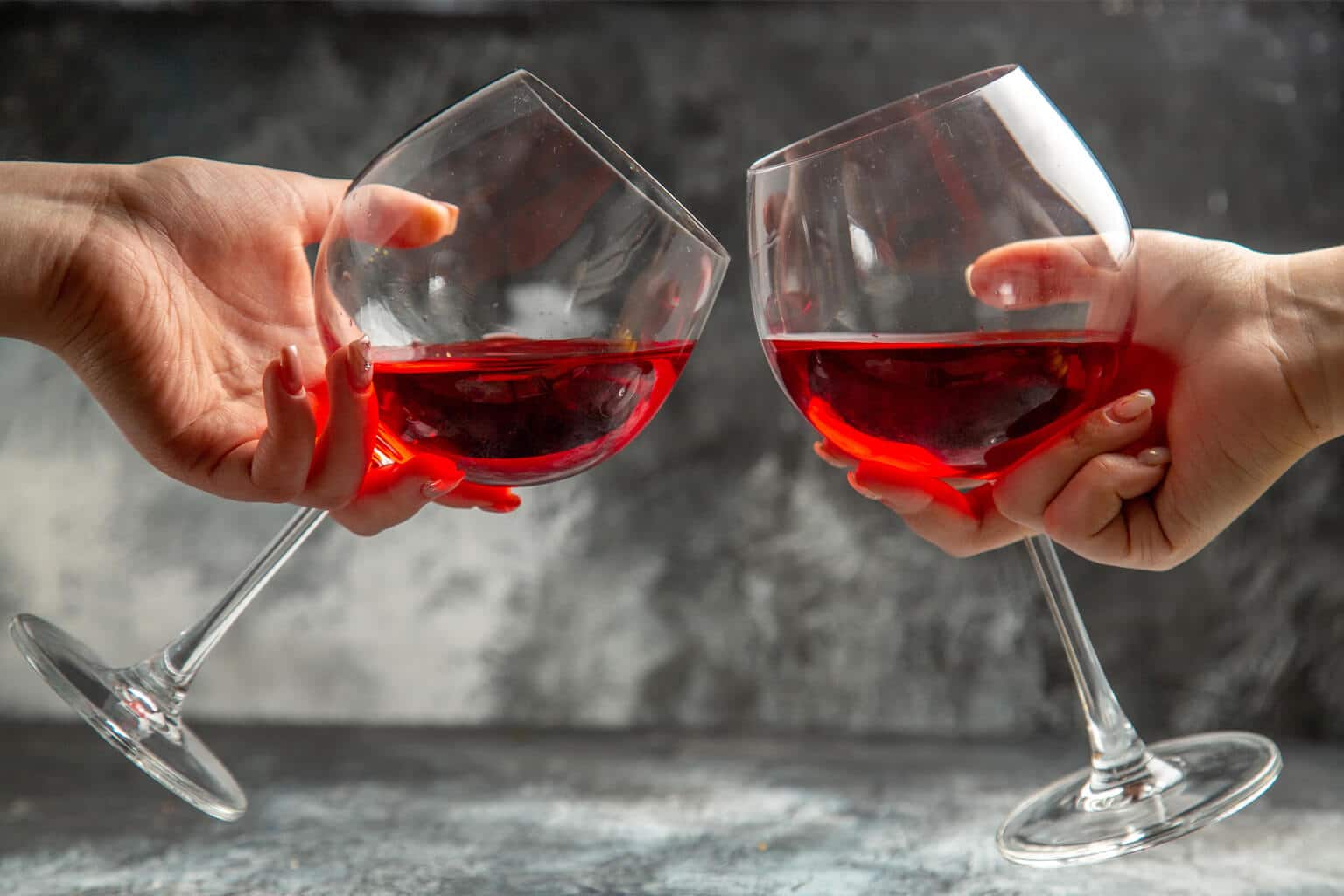
Full-bodied red wines are rich, bold, and substantial on the palate. They have a noticeable weight and texture in the mouth, unlike lighter reds that feel delicate and easy-drinking. These wines often deliver deeper flavors and a longer, more lingering finish.
One important thing to know: a full-bodied wine isn’t necessarily dry or highly tannic. Body refers to how rich and weighty a wine feels in your mouth, not how sweet it tastes.
The Best Full-Bodied Red Wines in the U.S.
In the first half of 2026, these were among the most popular full-bodied red wine varieties among American wine drinkers.
| Wine Variety | What to Expect |
| Cabernet Sauvignon | Bold and structured, with pronounced tannins |
| Syrah / Shiraz | Rich and spicy, sometimes with smoky notes |
| Malbec | Fruit-forward and smooth, with softer tannins |
| Petite Sirah | Deeply colored, intensely flavored, and tannic |
| Zinfandel | Juicy and ripe, often with a higher alcohol content |
Here’s a closer look at each variety to help you find the right bottle for your next dinner party, holiday gathering, or special occasion.
Cabernet Sauvignon
A bold, full-bodied red known for its rich flavors of blackcurrant, dark fruit, and firm tannins.
Grape: Cabernet Sauvignon is a red grape variety originally from France. It’s one of the most widely recognized and popular wine grapes in the world.
Aroma: Expect blackcurrant, blackberry, black cherry, and plum. Wines aged in oak barrels may also develop notes of vanilla, cedar, tobacco, and spice.
Taste: Typically dry and full-bodied, with pronounced tannins and a long finish. Dark fruit flavors take center stage, sometimes accompanied by hints of chocolate and oak.
Alcohol content: Usually 13–15%, depending on the region and winemaking style.
Food pairings: Steak, roast beef, lamb, burgers, aged cheeses, and grilled mushrooms. Cabernet Sauvignon pairs especially well with rich, savory dishes.
Average U.S. price in 2026: Around $15–25 for a 750 mL bottle. Budget-friendly options typically cost $8–15, while premium bottles can range from $30 to $80 or more.
Main wine regions: California, especially Napa Valley, as well as Bordeaux in France, Chile, and Australia. California Cabernet Sauvignons are often known for their ripe fruit flavors and rich, generous style.
Shiraz (Syrah)
A rich, powerful red wine with flavors of blackberry, black pepper, and warm spices.
Grape: Shiraz, also known as Syrah, is a red grape variety that originated in France. It’s especially popular in Australia, where the Shiraz name is commonly used for bold, full-bodied reds.
Aroma: Blackberry, blackcurrant, plum, black cherry, black pepper, and spice. With age, some wines develop additional notes of chocolate, smoke, leather, and vanilla.
Taste: Typically dry, rich, and full-bodied, with tannins that can range from smooth and approachable to firm and pronounced. Expect ripe dark fruit, peppery spice, and sometimes hints of chocolate and smoke.
Australian Shiraz tends to be fruit-forward, ripe, and powerful, while French Syrah is often more savory and peppery, with pronounced herbal notes.
Alcohol content: Usually 13.5–15.5%, depending on the region and style.
Food pairings: Steak, lamb, roast beef, burgers, smoked ribs, grilled meats, and aged cheeses. Shiraz is particularly good with grilled dishes and foods seasoned with black pepper and spices.
Average U.S. price in 2026: Around $10–20 for a 750 mL bottle. Budget options typically cost $6–10, better-quality bottles range from $20 to $40, and premium wines can cost $50 or more. Prices vary by producer and region.
Main wine regions: Australia, especially the Barossa Valley and McLaren Vale; France’s Rhône Valley, particularly Hermitage and Côte-Rôtie; South Africa; and the United States. Australian Shiraz is generally known for ripe fruit and bold flavors, while French Syrah often shows more pronounced pepper, herbal, and earthy notes.
Malbec
A juicy, fruit-forward red with rich dark berry flavors, a smooth texture, and a satisfying depth of flavor.
Grape: Malbec is a red grape variety originally from France, but it became especially popular in Argentina. Today, it’s one of the best-known grapes for producing rich, full-bodied red wines.
Aroma: Black cherry, blackberry, plum, and blueberry. Depending on how the wine is aged, you may also notice chocolate, vanilla, tobacco, coffee, and spice.
Taste: Usually dry and full-bodied, with soft to moderate tannins. Ripe dark berries and plum are the dominant flavors, often complemented by chocolate notes and a long finish.
Alcohol content: Usually 13–15%, depending on the region and winemaking style.
Food pairings: Steak, roast beef, lamb, burgers, barbecue, smoked ribs, and aged cheeses. Malbec is an especially good match for grilled meats.
Average U.S. price in 2026: Around $12–20 for a 750 mL bottle. Budget-friendly bottles typically cost $8–12, while premium options can range from $25 to $60 or more.
Main wine regions: Argentina, particularly Mendoza; France, especially Cahors and Bordeaux; Chile; and the United States. Argentine Malbec is known for its ripe fruit flavors, rich character, and relatively soft tannins, making it a favorite among people who enjoy bold, full-bodied reds.
Petite Sirah
An intensely rich, dark red wine with bold flavors of blueberry, blackberry, and chocolate, often backed by firm tannins.
Grape: Petite Sirah, also known as Durif, is a red grape variety developed in France in the 19th century. It became especially popular in California. Despite the similar name, it’s a distinct grape variety, not a type of Pinot Noir or Syrah.
Aroma: Blackcurrant, blackberry, black plum, and blueberry, often accompanied by black pepper, dark chocolate, coffee, licorice, and spice.
Taste: Typically dry, intensely concentrated, and full-bodied, with high tannins and a long finish. Dark fruit, spice, and chocolate notes are common, along with a firm structure and a pronounced drying sensation on the palate.
Alcohol content: Usually 13.5–15.5%, depending on the region and style.
Food pairings: Steak, roast beef, lamb, burgers, smoked ribs, barbecue, and aged hard cheeses. Petite Sirah works particularly well with grilled meats and other rich, deeply flavored dishes.
Average U.S. price in 2026: Around $15–25 for a 750 mL bottle. Budget options typically cost $10–15, while premium bottles can range from $30 to $60 or more.
Main wine regions: The United States, especially California, as well as Australia and Israel. California Petite Sirah is often known for its deep color, intense dark berry aromas, concentrated flavors, and firm tannins. It’s an excellent choice for anyone who enjoys powerful, intensely flavored red wines.
Zinfandel
A bold, fruit-driven red wine packed with ripe berry flavors, jammy notes, and warming spices.
Grape: Zinfandel is a red grape variety especially popular in California. It’s genetically identical to Italy’s Primitivo grape. Zinfandel is also used to make the well-known rosé-style wine White Zinfandel.
Aroma: Blackberry, black cherry, raspberry, plum, berry jam, black pepper, and cinnamon. Oak-aged versions may also show hints of vanilla, chocolate, and tobacco.
Taste: Usually dry and full-bodied, with generous fruit flavors, moderate tannins, and spicy undertones. Zinfandel is often known for its ripe berry character and relatively high alcohol content.
Alcohol content: Usually 14–16%, sometimes higher.
Food pairings: Steak, burgers, barbecue pork ribs, roasted meats, meat-lovers’ pizza, and aged cheeses. Zinfandel pairs especially well with grilled foods and smoky barbecue dishes.
Average U.S. price in 2026: Around $10–20 for a 750 mL bottle. Budget options typically cost $6–10, better-quality bottles range from $20 to $40, and premium wines start at around $50.
Main wine regions: The United States, particularly California’s Lodi and Sonoma County regions; Italy’s Puglia region, where the grape is known as Primitivo; and Croatia. California Zinfandel is often characterized by ripe berry flavors, higher alcohol levels, and bold spice notes.
As a little bonus, let’s take a quick look at one more full-bodied red wine worth trying:
Saperavi
This is one of the most intriguing full-bodied red wines you may never have tried. Rich and bold, with notes of dark berries, plum, and spice, Saperavi is known for its deep color and distinctive flavor.
Grape: Saperavi is a red grape variety native to Georgia, the country in the Caucasus region. It’s a teinturier grape, meaning the flesh as well as the skin is colored. This gives Saperavi wines their particularly deep ruby-red hue.
Aroma: Blackcurrant, blackberry, cherry, plum, black pepper, and spice. Aged versions may develop notes of tobacco, leather, chocolate, and oak.
Taste: Usually dry and full-bodied, with concentrated dark fruit flavors, noticeable tannins, and refreshing acidity. Depending on the winemaking style, Saperavi can be juicy and fruit-forward or more structured, firm, and intense.
Alcohol content: Usually around 12–14.5%, depending on the region and style.
Food pairings: Shashlik (grilled meat skewers), steak, lamb, roast beef, slow-cooked meat dishes, and aged cheeses. Saperavi is an especially good match for hearty Georgian cuisine and other dishes with rich, savory flavors.
Average U.S. price in 2026: Around $12–20 for a 750 mL bottle. Budget options may cost $8–12, better-quality bottles range from $20 to $40, and premium wines can cost $50 or more. Prices depend on the producer, region, and aging process.
Main wine regions: Georgia, particularly Kakheti, as well as select wine regions in the United States and Australia. Georgian Saperavi is often known for its deep color, bright acidity, and pronounced tannins. Wines from Kakheti can showcase concentrated black berry flavors and distinctive spice notes.
Final Thoughts: How to Choose a Full-Bodied Red Wine
When tasting wine, remember that body is all about how substantial and rich the wine feels in your mouth. It’s not determined by color, alcohol content, or tannins alone.
One of the easiest ways to understand the difference is to compare a lighter red, such as Pinot Noir, with a full-bodied red, such as Cabernet Sauvignon. Taste them side by side and pay attention to how heavy or light each wine feels, how long the flavors linger, and how much texture you notice. A simple side-by-side tasting can teach you more about wine styles than reading bottle descriptions alone.
Who will enjoy full-bodied reds?
These wines are a great fit for people who prefer bold, intense flavors over lighter, more delicate reds. They often feature concentrated fruit aromas and may have higher alcohol levels.
What foods pair best with full-bodied reds?
Steak, beef, lamb, burgers, shashlik, barbecue ribs, grilled meats, and aged cheeses are all excellent choices. In general, richer, fattier dishes tend to pair well with wines that have enough structure and tannins to balance their intensity.
How much should you spend?
For the U.S. market, a good starting point for a quality midrange bottle is around $15–30 for 750 mL. Within this price range, you can find plenty of worthwhile Cabernet Sauvignon, Malbec, Shiraz, and Zinfandel options. More complex wines from well-known producers generally cost more.
Which full-bodied red wines are worth trying?
Cabernet Sauvignon, Malbec, Shiraz (Syrah), Zinfandel, and Saperavi are all excellent varieties to explore. Just keep in mind that the body, flavor intensity, and tannin level of a wine depend not only on the grape variety but also on the region and the winemaker’s style.