


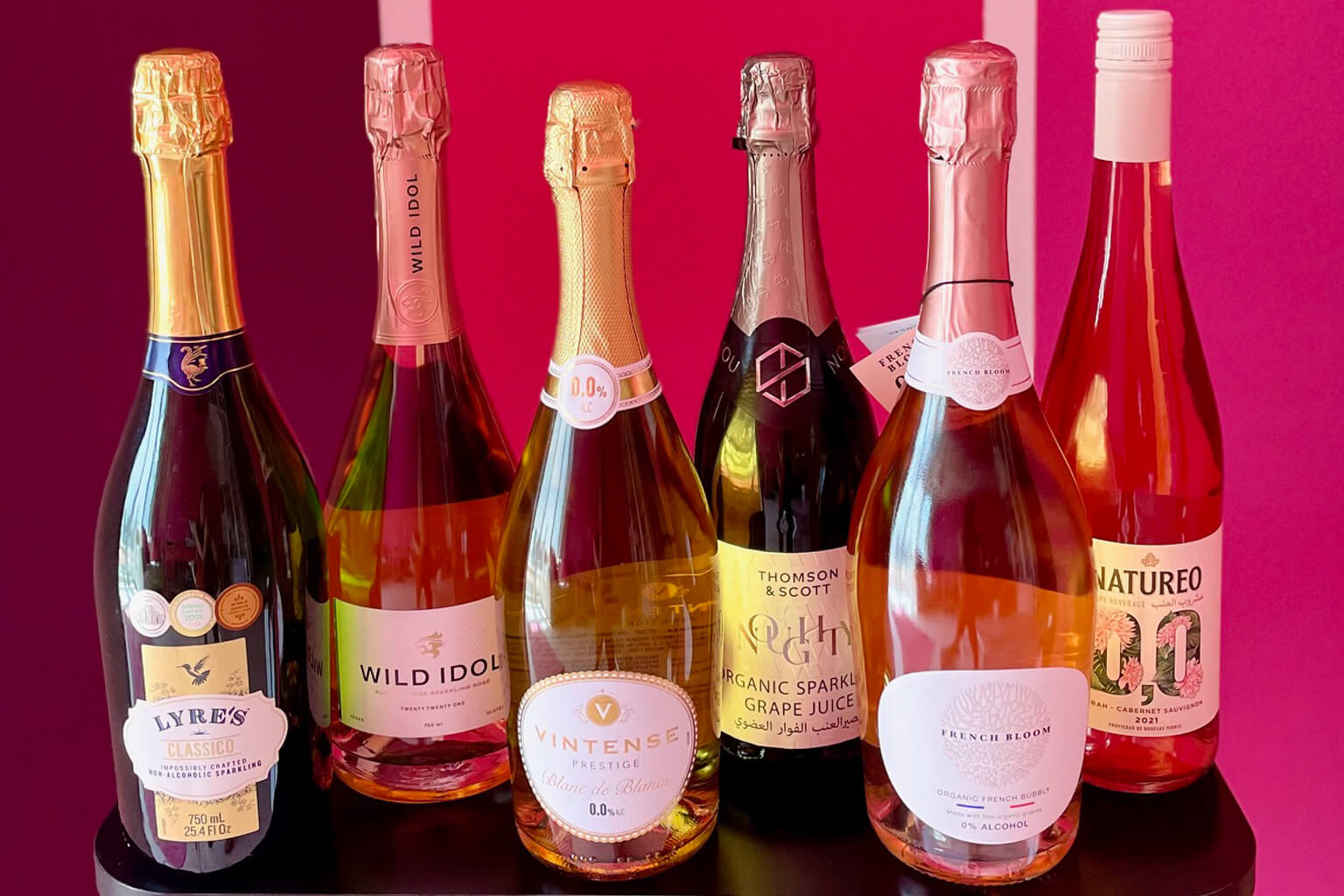
Non-alcoholic wine is a beverage that retains much of the flavor and aroma of traditional wine while containing little to no alcohol. In this article, we’ll explore its history, production methods, advantages and disadvantages, popular brands, and a few interesting facts.
What Is Non-Alcoholic Wine and How Did It Originate?
Non-alcoholic wine is real wine that has had most of its alcohol removed after the winemaking process is complete. Under current standards, beverages containing up to 0.5% alcohol by volume (ABV) are generally classified as non-alcoholic.
Like traditional wine, non-alcoholic wine can be made from the same grape varieties and comes in a wide range of styles, including:
- Red wine
- White wine
- Rosé wine
- Semi-sweet wine
- Sweet wine
- Sparkling wine
The key difference is that the alcohol is removed after fermentation.
Many people assume non-alcoholic wine is a recent invention, but experiments with alcohol removal began more than a century ago. Commercial production didn’t gain momentum until the 1970s, when German winemaker Carl Jung developed a vacuum dealcoholization process. In 1972, the company Carl Jung introduced one of the first commercially successful non-alcoholic wine lines.
The original goal was simple: provide a wine alternative for people who avoid alcohol for medical, religious, or personal reasons.
Today, the such wine market is growing rapidly. According to industry estimates, the global market is valued at more than $2 billion and continues to grow at approximately 7–10% annually.
Key Characteristics
- Made from real wine
- Retains many of the original aroma compounds
- Typically contains less than 0.5% alcohol
- Available in red, white, rosé, and sparkling styles
- Popular among health-conscious consumers
How Is Non-Alcoholic Wine Made?
One common misconception is that non-alcoholic wine is simply grape juice. In reality, the production process is much more sophisticated.
The process begins exactly like traditional winemaking:
- Harvesting the grapes
- Crushing and pressing
- Alcoholic fermentation
- Aging and maturation
- Alcohol removal
The most challenging step is dealcoholization—removing ethanol while preserving as much flavor and aroma as possible.
Vacuum Distillation
This is the most widely used method.
Under vacuum conditions, alcohol evaporates at a much lower temperature (approximately 77–86°F / 25–30°C), allowing producers to remove alcohol while minimizing damage to delicate aromas.
Advantages:
- Cost-effective
- Efficient at large scale
- Preserves many fruit characteristics
Reverse Osmosis
Wine is passed through specialized membranes that separate alcohol and some water from the wine’s flavor compounds.
Advantages:
- Gentle processing
- Better preservation of wine structure
- Highly precise
Spinning Cone Column
Large international producers widely use this premium technology.
The process works in three stages:
- Aromatic compounds are extracted.
- Alcohol is removed.
- Aromas are added back into the wine.
This method helps preserve the wine’s original character more effectively than many traditional techniques.
The result is a product that closely resembles traditional wine in aroma and overall sensory experience.
Advantages and Disadvantages of Non-Alcoholic Wine
Although non-alcoholic wine resembles traditional wine, there are important differences.
Advantages
- Contains little or no alcohol
- Lower in calories
- Suitable for designated drivers
- Appropriate for many work-related events
- Does not cause intoxication
- Appeals to those reducing alcohol consumption
Interestingly, a typical 5-ounce (150 ml) serving of dry red wine contains approximately 120–130 calories, while a comparable serving of non-alcoholic wine often contains between 45 and 80 calories.
Disadvantages
- Less intense flavor
- Lighter body
- Less complexity and depth
- Sometimes contains more residual sugar
- Can cost nearly as much as traditional wine
Traditional Wine vs. Non-Alcoholic Wine
| Feature | Traditional Wine | Non-Alcoholic Wine |
| Alcohol Content | 8–15% ABV | Up to 0.5% ABV |
| Calories | Higher | Lower |
| Flavor Intensity | Fuller and richer | Generally lighter |
| Suitable Before Driving | No | Generally yes |
| Antioxidants | Present | Often present |
For many consumers, especially those reducing or eliminating alcohol, the benefits outweigh the drawbacks.
Most Popular Non-Alcoholic Wine Brands in the United States
Demand for non-alcoholic wine continues to rise, and American consumers now have dozens of options available.
Fre Alcohol-Removed Wine
One of the most recognized brands in the United States.
Popular selections:
- Fre Chardonnay — approximately $9–12
- Fre Cabernet Sauvignon — approximately $10–13
- Fre Sparkling Brut — approximately $11–15
Ariel Vineyards
A California pioneer and category leader.
Popular wines:
- Ariel Cabernet Sauvignon — $10–14
- Ariel Chardonnay — $9–13
Surely Wines
A modern premium producer.
Typical pricing:
- Surely Sparkling Rosé — $25–30
- Surely Brut — $25–30
Giesen 0%
Widely available throughout the U.S.
Popular selections:
- Giesen 0% Sauvignon Blanc — $13–18
- Giesen 0% Rosé — $13–18
Thomson & Scott Noughty
A premium organic option.
Typical pricing:
- Noughty Sparkling Chardonnay — $20–28
- Noughty Rosé — $22–30
Prices may vary by retailer, location, and season.
Who Buys Non-Alcoholic Wine?
A decade ago, most consumers purchased this wine for medical reasons. Today, the customer base is much broader.
Common consumers include:
- Health-conscious individuals
- Athletes
- Drivers
- Pregnant women (after consulting a healthcare professional and considering residual alcohol content)
- People who have stopped drinking alcohol
- Millennials and younger consumers
Research suggests that Millennials and Generation Z generally consume less alcohol than previous generations, contributing to growing demand for alcohol-free alternatives.
Interesting Facts and Helpful Tips
- Some non-alcoholic wines retain more than 90% of their original aromatic compounds.
- White non-alcoholic wines are best served at 46–50°F (8–10°C).
- Sparkling versions are best served at 43–46°F (6–8°C).
- Red non-alcoholic wines often show best at 57–61°F (14–16°C).
- Once opened, the bottle is ideally consumed within 2–3 days.
- Traditional wine glasses can help enhance the tasting experience.
- Non-alcoholic sparkling wines are excellent choices for celebrations where some guests choose not to drink alcohol.
Final Thoughts
Non-alcoholic wine is no longer a niche product. Thanks to modern production technologies, today’s producers can create beverages that preserve much of the character of traditional wine while dramatically reducing alcohol content.
Whether you prefer white, red, sweet, semi-sweet, or sparkling styles, today’s market offers a wide range of quality non-alcoholic options for virtually any occasion.