


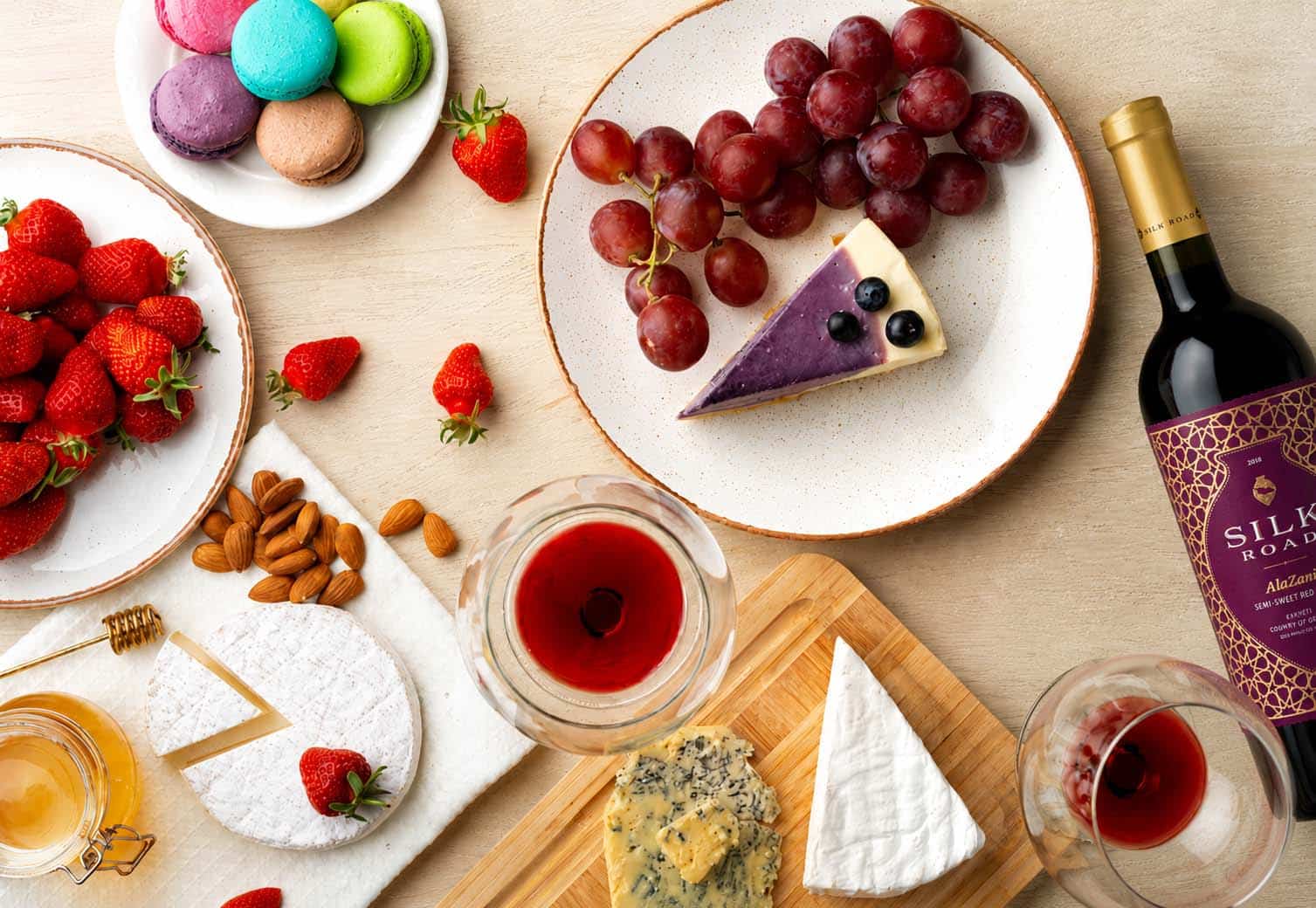
What Is Sweet Dessert Wine?
Sweet dessert wine is a type of wine that preserves the natural sweetness of the grapes. Unlike dry wines — where most of the grape sugar is converted into alcohol during fermentation — dessert wines retain a significant amount of residual sugar.
This is what gives sweet dessert wines their smooth, rich, and fruit-forward flavor, often featuring notes of honey, berries, chocolate, caramel, or dried fruit.
History of Dessert Wine
The term “dessert wine” became part of European wine culture around the 18th century. During that period, especially in England, wines began to be classified into gastronomic categories such as:
- table wines
- fortified wines
- dessert wines
However, it’s important to understand that sweet wines existed long before the term itself appeared.
Back in Ancient Greece and Rome, writers and historians described wines made from partially dried grapes — one of the oldest techniques still used today in sweet dessert wine production.
So while sweet wines themselves are thousands of years old, the phrase “dessert wine” — meaning a wine traditionally served with dessert or after dinner — is relatively modern.
Main Types of Sweet Dessert Wines
Late Harvest Wines
These wines are made from grapes that stay on the vine longer than usual, allowing them to develop higher sugar levels naturally.
Late harvest wines are typically aromatic, fruity, and moderately sweet.
Popular examples include:
- Late Harvest Riesling
- Vendange Tardive
Wines Made from Dried Grapes
For this style, grapes are partially dried after harvest. As the water evaporates, the sugars and flavors become more concentrated.
These wines often feature notes of raisins, figs, honey, and dried fruit.
Famous styles include:
- Passito
- Recioto della Valpolicella
- Vin Santo
Botrytized Wines (“Noble Rot” Wines)
These wines are produced using a special fungus called Botrytis cinerea, often referred to as “noble rot.” The fungus dries the grapes naturally and creates intensely concentrated flavors.
Botrytized wines are considered some of the most complex and expensive dessert wines in the world. They are known for flavors of honey, apricot, caramel, and candied fruit.
The most famous examples are:
- Sauternes
- Tokaji
- Beerenauslese
Ice Wines (Ice Wine)
Ice wines are made from grapes harvested while naturally frozen on the vine. The water inside the grapes remains frozen, while the concentrated sweet juice is extracted during pressing.
These wines are famous for their bright acidity combined with intense sweetness and vibrant fruit flavors.
The best-known styles include:
- Ice Wine
- German Eiswein
Fortified Sweet Wines
During production, grape spirit is added to the wine. This stops fermentation early and preserves part of the natural grape sugar.
As a result, fortified dessert wines are usually richer, stronger, and more full-bodied.
Popular styles include:
- Port Wine
- Madeira Wine
- Marsala
- Sweet Sherry
Sweet Dessert Wines by Color
|
White |
Red |
Rose |
| · Sauternes
· Tokaji · Moscato d’Asti |
· Recioto della Valpolicella
· Sweet Port wines, · Certain wines made from Cabernet Sauvignon or Merlot grapes |
They are less common and are usually light-bodied and fruit-forward |
What Foods Pair Well with Sweet Dessert Wines?
Sweet dessert wines pair beautifully with much more than just desserts. In fact, some of the most interesting combinations include cheeses, pâtés, and even savory dishes, thanks to the contrast of flavors.
Chocolate and Chocolate Desserts
Rich sweet red wines and Port wines pair especially well with chocolate-based desserts. Best pairings include:
- chocolate cake
- brownies
- truffles
- chocolate fondant
Fruit Desserts
Light sweet wines work wonderfully with fresh fruits and berry-based desserts. Great options include:
- berry tarts
- peaches
- pears
- strawberries
- fruit pies
Blue Cheeses
This is one of the most famous food-and-wine pairings in the world. The combination of salty, sharp cheese and sweet wine creates a bold and unforgettable flavor experience. Especially good choices include:
- blue cheese
- Roquefort
- Gorgonzola
Nutty and Caramel Desserts
Richer and more aged sweet wines pair perfectly with desserts featuring nuts and caramel flavors. For example:
- nut tart
- baklava
- crème brûlée
- caramel cheesecake
Foie Gras
A classic French pairing: Sauternes with foie gras. The sweetness of the wine beautifully complements the rich, creamy texture of the dish.
Spicy Foods
Some sweet wines are excellent at balancing spicy heat, especially when paired with:
- Thai cuisine
- spicy Asian sauces
- heavily seasoned dishes
A Simple Pairing Rule
A common wine-pairing rule says “The wine should be at least as sweet as the dessert”. If the dessert is sweeter than the wine, the wine may taste overly acidic or flat.