


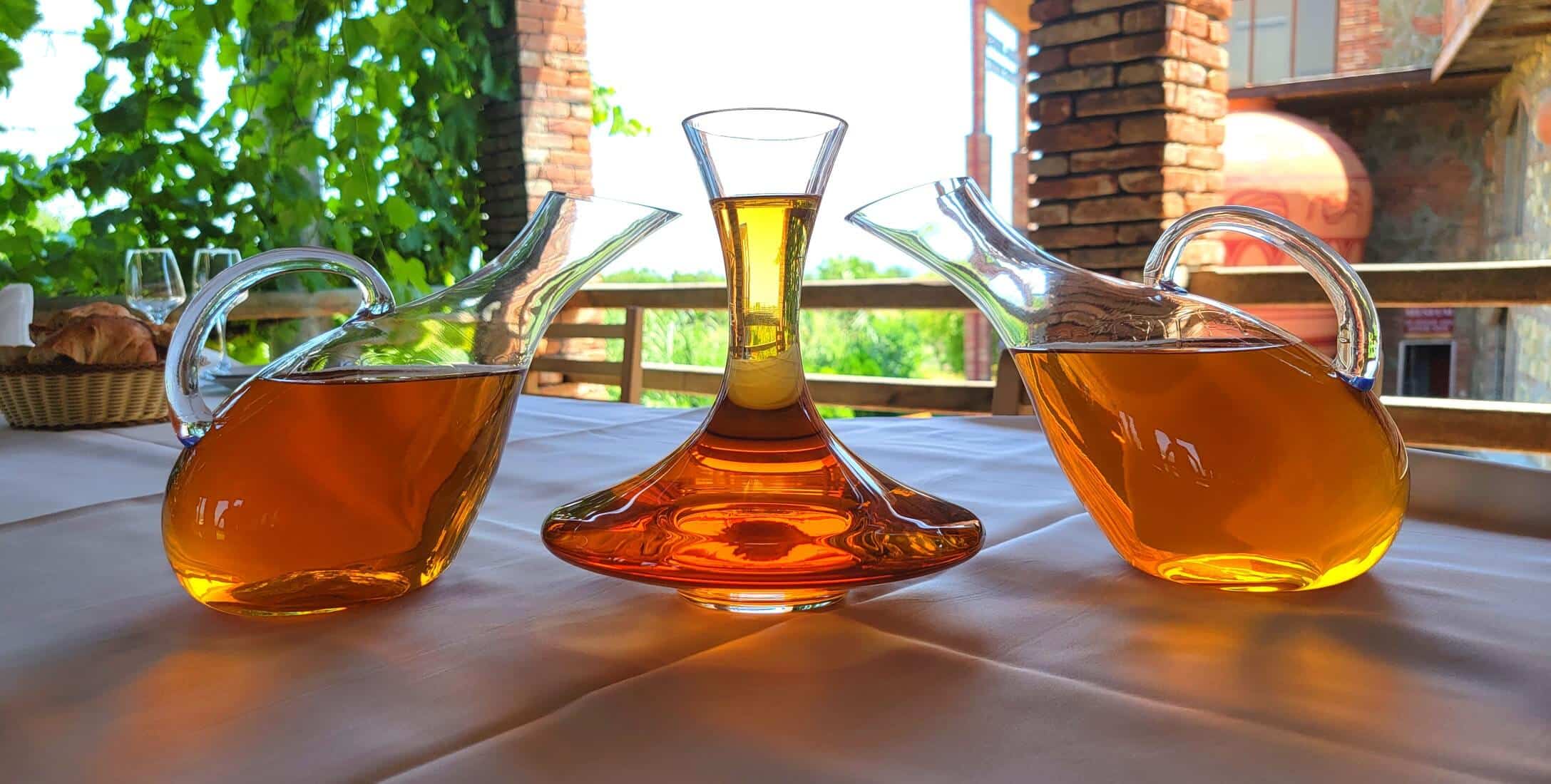
Wine taste is shaped by thousands of factors, from the age of the vines and the climate in which the grapes grow to the size and shape of the glass you drink it from.
While we can’t control the weather, how a wine is made, or the conditions it experiences during shipping, there are a couple of things we can do to help it show its best: let it settle after the trip home and give it a chance to breathe. These simple steps won’t completely transform a wine, but they can make a noticeable difference in how it tastes and smells.
Of course, no amount of aeration will turn a mediocre bottle into a masterpiece. But sometimes, a little patience and the right amount of air are all it takes to get more out of your glass.
Let Your Wine Settle
When you bring a bottle of wine home, let it sit undisturbed for at least 15–20 minutes, either on the counter or in the refrigerator if it needs chilling. This gives the wine time to settle after being moved and helps prepare it for serving.
During transportation, sediment at the bottom of the bottle can get stirred up, especially in older red wines. This is perfectly normal, but suspended sediment can make the wine look cloudy and affect the texture of each sip.
Movement can also encourage dissolved carbon dioxide to escape, creating tiny bubbles that may distract from the wine’s aromas and affect how you perceive its flavors.
So, don’t skip this simple step. Let your wine settle before pouring, and you may find that your next glass of your favorite bottle is even more enjoyable.
What Is Wine Aeration, and How Does It Affect the Taste of Wine?
Wine aeration is the process of exposing wine to air to help its aromas and flavors develop. That’s why some wines smell and taste more expressive after sitting in a glass for a few minutes or being poured into a decanter.
But why does this happen, and what does air actually do to wine?
1. It helps bring out the aromas
When wine is exposed to air, volatile aromatic compounds can escape into the space above the wine, making certain aromas easier to detect. Fruity, floral, spicy, and other notes may become more noticeable as the wine opens up.
2. It can soften the taste
Some young red wines can seem less harsh and more balanced after aeration. This is especially true of wines with pronounced tannins, which create that drying, puckering sensation in your mouth.
3. It can bring the flavors into better balance
Aeration can sometimes help a wine’s different characteristics come together more harmoniously. Fruit flavors, acidity, spice notes, and tannins may feel more integrated, giving the wine a smoother, rounder overall impression.
Which Wines Should You Aerate?
- Young, full-bodied reds: Cabernet Sauvignon, Syrah, and Nebbiolo are good examples. These wines often benefit from anything from a few minutes of aeration to an hour or more in a decanter.
- Young, tannic wines: Wines with firm tannins can become more approachable after spending some time in contact with air.
- Some full-bodied white wines: Chardonnay aged in oak, for example, can sometimes reveal more of its aromas and flavors after a little aeration.
Older wines require a gentler touch. Extended exposure to air can cause their delicate aromas to fade quickly. Sparkling wines generally shouldn’t be decanted because doing so can cause them to lose their bubbles faster.
How to Aerate Wine
In Your Glass
The easiest way to aerate wine is to pour it into a large wineglass and gently swirl it around. This increases the wine’s contact with air and helps release its aromas.
A few tips for beginners:
- Start with a small pour. A typical tasting pour fills about 25–30% of the glass, but if you’re new to swirling, start with just 10–15%. You’ll have more room to practice without splashing wine onto yourself or the table.
- Hold the glass by the stem. Tilt it slightly forward and make gentle, circular motions. Keep the glass tilted as you swirl.
With a little practice, you’ll be swirling wine like a pro!
In a Decanter
A wine decanter is a special vessel, usually made of glass or crystal, used to transfer wine from the bottle before serving.
Decanting can help separate wine from sediment, while the decanter’s wide base exposes more of the wine to air, encouraging aeration and helping its aromas develop. The narrower neck also helps concentrate the aromas near the opening, making them easier to appreciate.
Decanters come in different shapes for different types of wine. Wide-based models are commonly used for young, full-bodied reds that benefit from more aeration. Narrower decanters are often a better choice for delicate, aged wines, where limiting excessive oxygen exposure is important.
Wine Aerators Gadgets
Wine aerators are small devices that attach to the neck of a bottle and introduce air into the wine as you pour.
Some models use the Venturi effect, which creates a pressure difference that draws air into the device and mixes it with the flowing wine.
Other designs use specially shaped channels inside the device to create turbulence, increasing the wine’s exposure to oxygen as it passes through.
The biggest advantage of these gadgets is convenience. An aerator can introduce air into the wine in just seconds, making it a handy option for casual wine tastings at home or serving guests at a dinner party.
How long should you aerate wine?
There’s no one-size-fits-all answer. Some wines open up after just 10–15 minutes in a glass, while certain young reds may benefit from 30–60 minutes or even longer in a decanter.
The best way to tell is to taste the wine every so often and pay attention to how its aromas and flavors change.
Most importantly, remember that more air doesn’t always mean better wine. Aeration can bring out a wine’s best qualities, but too much exposure to oxygen can cause its aromas to fade and eventually lead to oxidation.
Let your palate be your guide. If the wine becomes more aromatic, balanced, and enjoyable as it sits, give it a little more time.
When Should You Skip Aeration?
Not every wine benefits from extra exposure to air. Light-bodied white wines, young rosés, sparkling wines, and wines known for their fresh, vibrant fruit flavors are generally best enjoyed without deliberate aeration before serving. In many cases, simply pouring them into a glass and letting them sit for a few minutes is enough to bring out their aromas.
Mature wines with delicate, complex aromas need extra care. Aged Bordeaux, Burgundy, and Barolo are good examples. Too much time in contact with oxygen can cause their subtle aromas to fade surprisingly quickly.
When serving these wines, handle them gently. If they need to be decanted to separate the wine from sediment, pour slowly and carefully rather than aggressively exposing them to air. In most cases, it’s best to serve them soon after opening the bottle so you can enjoy their delicate aromas while they’re still at their best.