


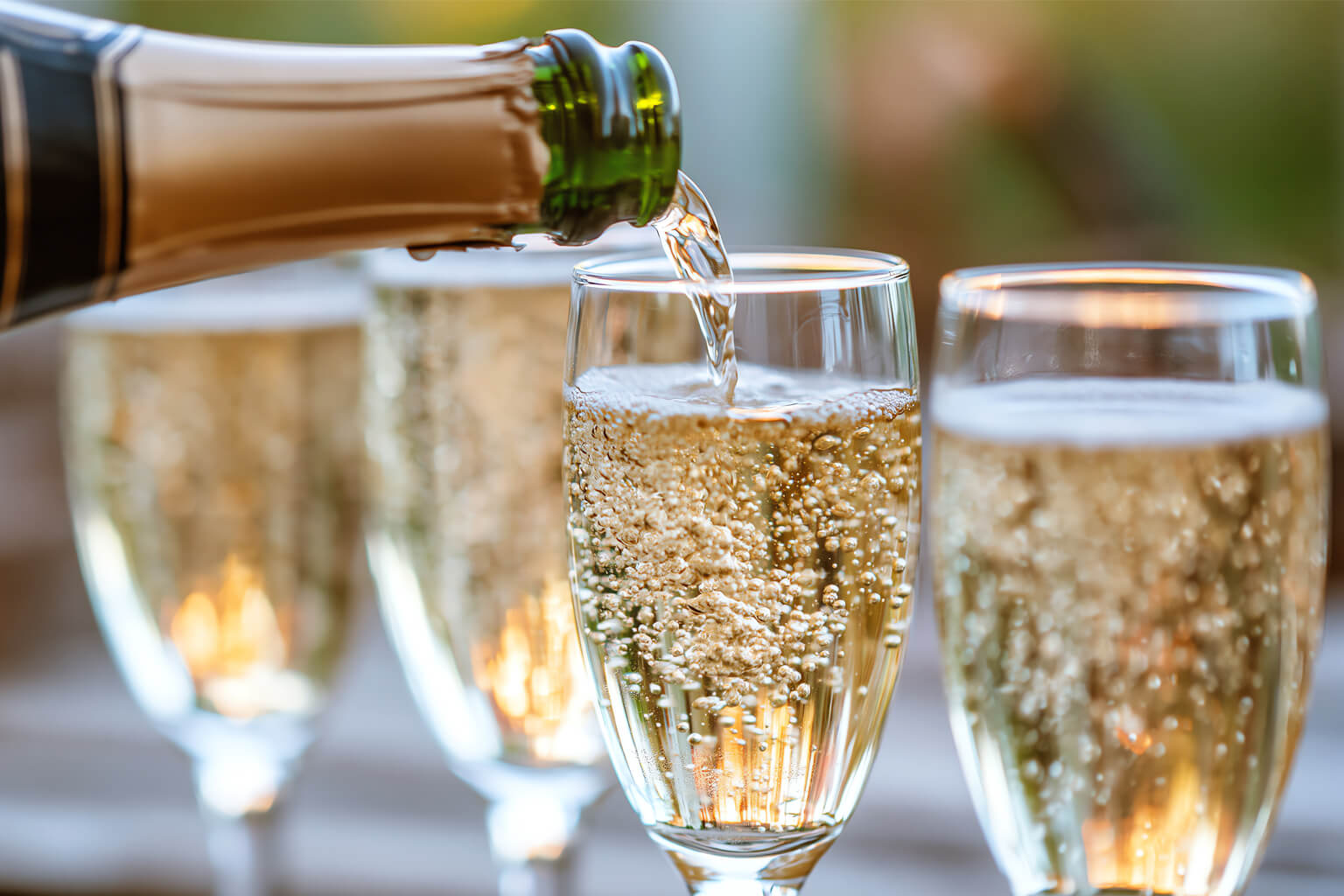
Today, it’s perfectly normal to see bottles of Chandon, Mumm Napa, or Roederer Estate on the shelves of American wine stores. At first glance, it might seem like the world’s most famous Champagne houses are making Champagne in California.
Not exactly.
By law, only sparkling wine produced in France’s Champagne region can be called Champagne. Everything else—even if it’s made using the exact same traditional method—is simply sparkling wine.
So why did some of France’s most prestigious Champagne producers decide to establish wineries in California? The answer goes back to one of the most influential moments in modern wine history.
The Tasting That Changed the Wine World
In 1976, a blind tasting in Paris forever changed the way people viewed American wine. The event, now known as the Judgment of Paris, brought together top French judges to compare celebrated French wines with bottles from California.
The results shocked the wine industry.
California Chardonnays and Cabernet Sauvignons outscored many of France’s finest wines, proving that world-class wine could be made outside Europe. Overnight, California earned international respect, and French producers realized that the United States was becoming one of the world’s most exciting wine regions.
Why Champagne Houses Invested in California
Several factors convinced France’s leading Champagne producers to establish wineries on the West Coast.
First, the American wine market was expanding rapidly. More consumers were discovering wine every year, and demand for premium sparkling wine continued to grow.
Producing wine in California also made good business sense. Local production reduced shipping costs, minimized import duties, and allowed wineries to bring fresh bottles to American consumers much more efficiently.
Perhaps most importantly, parts of California offered ideal growing conditions for sparkling wine grapes. Cool evenings, sunny afternoons, and diverse soils created an environment well suited for producing elegant wines from Chardonnay and Pinot Noir, the same classic varieties used in Champagne.
American Consumers Embraced French Expertise
The move turned out to be a remarkable success.
American wine drinkers already recognized the reputation of legendary Champagne houses and were eager to try their California-made sparkling wines.
Rather than focusing only on luxury cuvées, these wineries also introduced more affordable bottles, making traditional-method sparkling wine accessible to a much wider audience. Consumers could enjoy French winemaking expertise without paying Champagne prices.
Although California wines couldn’t legally use the word Champagne, the trusted names behind them quickly became a symbol of quality.
Three Legendary Champagne Houses That Found a Home in California
Chandon
The first major Champagne producer to invest in California was Moët & Chandon, which established its Napa Valley winery in 1973. The California operation became known simply as Chandon, helping distinguish it from the house’s French Champagne.
Today, Chandon is one of America’s largest producers of traditional-method sparkling wine. Visitors can tour the winery, dine at its acclaimed restaurant, and explore a portfolio that ranges from everyday sparkling wines around $30 to prestigious limited-production cuvées priced above $80.
Mumm Napa
In 1979, G.H. Mumm opened Mumm Napa in Rutherford, Napa Valley, bringing generations of Champagne-making expertise to California.
The winery has remained committed to the traditional method from the very beginning. Its flagship DVX cuvée has earned praise from leading wine critics around the world, while the broader lineup offers everything from approachable everyday sparkling wines to premium releases priced near $100.
Roederer Estate
Rather than settling in Napa Valley, Louis Roederer—the producer behind the iconic Cristal Champagne—looked farther north to the cool-climate Anderson Valley.
The region’s long growing season and cool coastal influence proved ideal for producing refined sparkling wines with vibrant acidity and remarkable elegance.
Instead of copying Champagne exactly, Roederer adapted its French expertise to California’s unique terroir. Today, Roederer Estate consistently earns outstanding reviews and is widely considered one of America’s finest sparkling wine producers.
French Tradition, California Character
Over the past several decades, California’s French-owned wineries have grown into respected brands in their own right.
They don’t compete with Champagne—they complement it.
Authentic Champagne will always come exclusively from France’s Champagne region. California wineries, meanwhile, proudly produce premium sparkling wine, embracing many of the same winemaking traditions while expressing California’s unique climate and terroir.
Today, the United States remains the largest export market for Champagne while also producing some of the world’s most respected sparkling wines. Thanks to French expertise and California’s exceptional vineyards, Americans can enjoy world-class traditional-method sparkling wines at every price point.
The story of Chandon, Mumm Napa, and Roederer Estate is more than a business success—it shows how great winemaking traditions can thrive far from their birthplace. Rather than resisting change, these historic Champagne houses embraced California’s potential, helping shape one of the world’s most exciting sparkling wine regions.
Georgian Sparkling Wines: A Hidden Gem Worth Discovering
Most wine lovers are familiar with Champagne and California sparkling wines. Far fewer realize that Georgia—widely recognized as the birthplace of winemaking—also produces exceptional sparkling wines.
With more than 8,000 years of winemaking history, Georgia’s wine tradition predates those of Ancient Greece, Rome, and, of course, France.
Today’s Georgian winemakers combine ancient heritage with modern European techniques to create sparkling wines that are both distinctive and beautifully balanced.
A great example is the Silk Road Wines sparkling collection, which includes Amber Sec, Extra Brut, and Rosé Sec. Each offers its own personality—from the crisp minerality of Extra Brut, to the fresh berry character of Rosé Sec, and the uniquely expressive style of Amber Sec.
Whether you’re new to sparkling wine or a seasoned enthusiast, Georgian sparkling wines prove that some of today’s most exciting discoveries lie far beyond Champagne.