


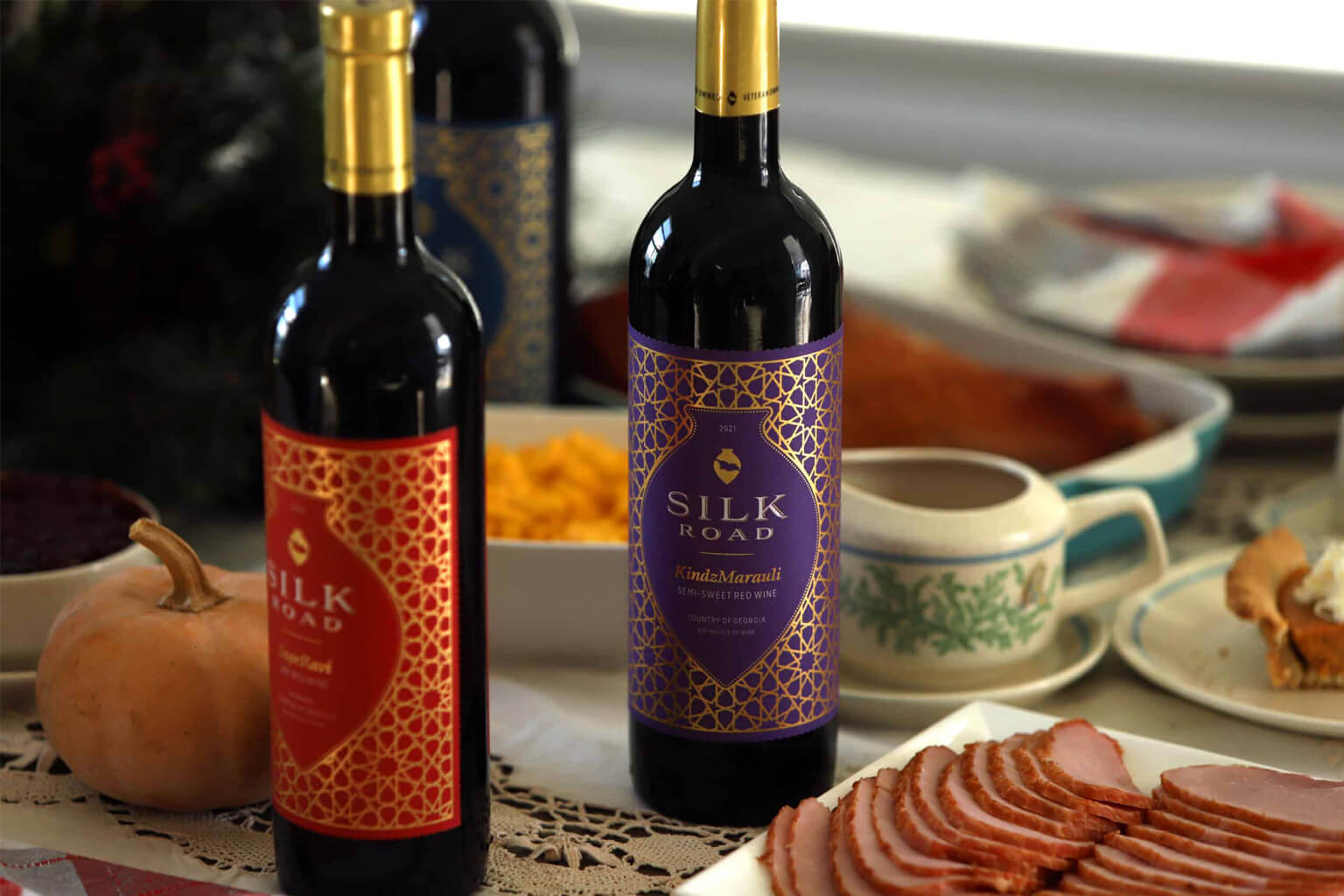
Semi-sweet wine is one of the most popular types of wine, known for its soft flavor and gentle sweetness. In this article, we’ll explore its history, how it developed over time, how it’s produced, and which types are most popular today.
History of Semi-Sweet Wine
Semi-sweet wine has ancient roots and has been part of winemaking culture for thousands of years.
The most complete historical records come from ancient Greek winemaking. The Greeks systematized grape growing, classified grape varieties, and created wines with varying levels of sweetness. They even left detailed treatises and artistic descriptions, which allow modern historians to reconstruct ancient techniques.
The Romans adopted Greek wine culture and made it a central part of their civilization. They improved storage and transportation methods, started using barrels, refined fermentation techniques, and spread semi-sweet and other wines across Europe.
In ancient times, most wines were closer to today’s semi-sweet style rather than fully dry. The reason is simple: fermentation was only partially controlled, leaving some natural sugar in the wine. Semi-sweet wines emerged from the skill of balancing sweetness and acidity to achieve a smooth, pleasant taste.
How Semi-Sweet Wines Were Made in Antiquity
In ancient civilizations, wine production was a cultural cornerstone. In Greece, grapes were handpicked and carefully sorted by variety. Semi-sweet wines were made using:
- Ripe, juicy grapes from selected varieties
- Partial fermentation to preserve natural sugars
- Traditional Greek blending and aging methods
- Control of acidity and aromatic properties
Greek winemakers created unique blends that balanced sweetness and aroma, producing highly valued wines.
These techniques were later adopted and refined by the Romans, who added systematic rules for storage, classification, and began exporting wines throughout the empire. This helped semi-sweet wines gain international recognition and become a lasting part of European wine culture.
Evolution of Winemaking Technology
Over time, winemaking techniques evolved, and fermentation became more precisely controlled. Modern semi-sweet wine producers use:
- Temperature-controlled fermentation to stop the process at the right sugar level
- Blending different grape varieties for balanced flavor
- Late harvest grapes for sweeter, more concentrated juice
- Laboratory control of acidity and sugar
These methods ensure consistent quality, a smooth taste, and balanced sweetness. Today, semi-sweet wines are often classified as premium wines and are exported worldwide.
Improving Quality Over Time
The quality of semi-sweet wine improved gradually, especially with advances in viticulture and production control. Today, wine quality depends on:
- Regional climate
- Grape varieties used
- The skill and experience of winemakers
- Modern fermentation and aging technologies
The best semi-sweet wines win awards at international tastings and are recognized as top products, making them highly sought-after for export.
Modern Production
Global wine production today is about 250–270 million hectoliters per year. Roughly 15–20% of this volume is semi-sweet or otherwise contains residual sugar — approximately:
- 4–5 billion bottles of semi-sweet wine per year
- Thousands of brands and hundreds of production regions
Major regions producing semi-sweet wines include:
- France
- Germany
- Italy
- Spain
- Georgia
Many of these wines are popular internationally and are actively sold as export products.
Most Popular Semi-Sweet Wines
There is a wide variety of semi-sweet wines, each with unique flavors and aromas. Some of the most popular include:
- Wines from the Alazani Valley (Georgia)
- German Riesling and Müller-Thurgau
- Italian aromatic Moscato wines
- Fruit blends from France
These wines are easy to drink and pair well with desserts, fruits, and soft cheeses.
Many modern customers prefer to buy wine online, which offers:
- A wide selection of wines
- Rare and unique bottles
- Premium and classic options
- Fast delivery across the United States
This makes it easy for anyone to select a great wine for dinner, celebrations, or gifts.