


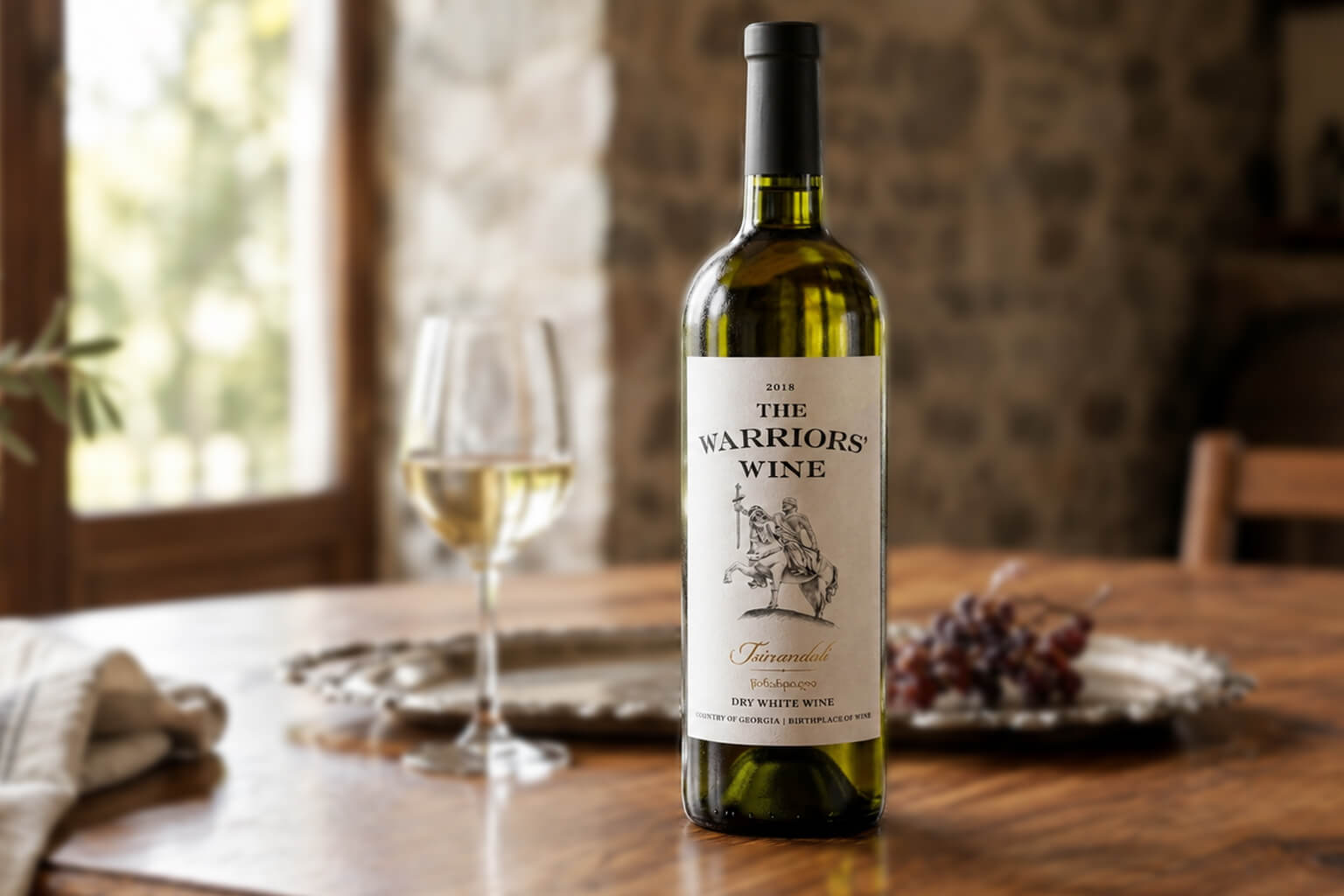
Why Tsinandali is the best refreshing wine for August 2026? If you’re a fan of Sauvignon Blanc, Pinot Grigio, or enjoy a good Chardonnay but are looking to discover something completely different, it’s time to meet Tsinandali, one of Georgia’s best-kept wine secrets. This elegant white wine combines vibrant freshness, crisp minerality, and a distinctive personality that’s unlike almost any other white wine on the market.
August in America is all about backyard barbecues, beach days, lake weekends, picnics, and warm evenings on the patio. It’s the time of year when reaching for a chilled glass of white wine just feels natural. But if New Zealand Sauvignon Blanc and California Chardonnay have become regulars in your refrigerator, this summer might be the perfect opportunity to try something truly unexpected.
Tsinandali is one of Georgia’s greatest wine treasures. While Georgia is widely recognized as the birthplace of winemaking, most Americans are familiar only with its famous red wines. Its flagship white wine, however, has remained surprisingly under the radar—and that’s a shame.
What Does Tsinandali Taste Like?
Tsinandali is a dry white wine made from two native Georgian grape varieties:
- Rkatsiteli — brings bright acidity, freshness, and excellent structure.
- Mtsvane Kakhuri — contributes floral aromas, delicate fruit notes, and a softer, more elegant texture.
The result is an exceptionally well-balanced wine.
In the glass, you’ll often discover aromas and flavors of:
- Green apple
- Ripe pear
- White peach
- Citrus
- Quince
- Wildflowers
- Acacia honey
- Subtle mineral notes
- A delicate hint of hazelnut if the wine has seen oak aging
On the palate, Tsinandali offers lively acidity, refreshing crispness, and a long, clean, dry finish without excessive sharpness. That’s exactly why it’s such a satisfying wine on a hot summer afternoon.
Interestingly, many Americans who taste Tsinandali blind assume they’re drinking an expensive European white blend. Then they see the price—and are often even more surprised. In many U.S. wine shops, a high-quality bottle of Tsinandali costs less than many mid-range Chardonnays while offering a level of complexity that rivals far more expensive wines.
Where Authentic Tsinandali Is Born — And Why Nature Does Half the Work
Great wine doesn’t begin in the cellar—it begins in the vineyard.
Authentic Tsinandali can only be produced in a small protected microzone bearing the same name, located in Georgia’s eastern Kakheti wine region. The area is relatively small, which naturally limits production and helps preserve the wine’s quality and identity.
What makes this place so special is the unique combination of natural conditions that winemakers simply call terroir.
First, the vineyards lie at the foothills of the Caucasus Mountains. The vines soak up plenty of sunshine during the day, while cool mountain air dramatically lowers nighttime temperatures. This natural temperature swing allows the grapes to ripen slowly, developing rich flavors while maintaining the bright acidity that gives Tsinandali its signature freshness.
Second, the region is nourished by countless mountain streams fed by melting snow and glaciers from the Greater Caucasus. These pristine waters enrich the soil with minerals and provide the vines with a healthy balance of moisture throughout the growing season.
Finally, Tsinandali remains one of the most peaceful wine-growing regions in the world. There are no major industrial facilities, very little traffic, and a relatively small population. Clean mountain air and an unspoiled natural environment allow the vineyards to flourish under remarkably pure conditions.
- You could say nature has its own winery here.
- The sunshine ripens the fruit.
- Cool mountain nights preserve its freshness.
- Mineral-rich soils give the wine its character.
- And the crisp mountain air quietly finishes the job that winemakers simply strive not to disturb.
That’s why wine professionals often say that the true character of Tsinandali cannot be duplicated anywhere else. Even if you planted the very same grape varieties in California, Oregon, or Australia, the wine would taste completely different.
From Vineyard to Glass: How Authentic Tsinandali Is Made
Every bottle of great wine represents years of patience—not magic. On average, a grapevine doesn’t produce its first meaningful crop until its third or fourth year. It usually reaches peak quality between 10 and 25 years of age, when the vines produce grapes with greater concentration, complexity, and balance. The production of traditional Tsinandali can be divided into several key stages.
1. Vineyard Management
The vineyards are planted on sunny slopes throughout the Tsinandali microzone, where they receive abundant morning sunlight. Cool breezes descending from the Caucasus Mountains help preserve the grapes’ natural acidity throughout the growing season.
During the year, growers carefully:
- Prune the vines
- Control crop yields
- Remove excess leaves
- Monitor soil health
- Harvest only when sugar and acidity reach the ideal balance
Unlike large-scale industrial winemaking, the emphasis here is always on quality rather than quantity.
Under the protected designation of origin (PDO) regulations, yields are strictly limited—approximately 10 tons per hectare for Rkatsiteli and 8 tons per hectare for Mtsvane—helping each grape develop maximum flavor concentration.
2. Harvest
Most wineries still harvest their grapes by hand. Why does that matter? Because damaged grapes begin oxidizing almost immediately after they’re picked. Hand harvesting allows winemakers to carefully select only the healthiest clusters while preserving the fruit’s freshness from vineyard to winery. Harvest usually begins in September, although the exact timing depends on the weather each vintage.
3. Gentle Pressing
Once the grapes arrive at the winery, they’re carefully destemmed and gently pressed. Traditional Tsinandali is made using only the free-run juice, with little or no extended skin contact. This approach gives the wine its delicate straw color and clean, vibrant fruit profile.
4. Cool Fermentation
The juice is transferred into stainless-steel tanks, where fermentation begins. Winemakers typically maintain temperatures between 55–59°F (13–15°C) to preserve the wine’s delicate aromas of green apple, pear, citrus, and white flowers. This cool fermentation is one of the defining techniques behind Tsinandali’s crisp, refreshing style.
5. Aging
Once fermentation is complete, the wine enters its aging phase. Some producers age Tsinandali for only a few months on the fine lees, giving the wine greater texture, richness, and complexity. Others choose to age part or all of the wine in oak barrels. Historically, Tsinandali was often matured in oak for as long as three years. Today, however, most modern producers prefer six to nine months of aging, or skip oak altogether to preserve the wine’s bright fruit character.
6. Bottling
After stabilization, the wine is filtered, bottled, and allowed to rest before being released to market. Every step is carefully monitored because only wines produced within the Tsinandali microzone and meeting strict PDO regulations are legally allowed to carry the Tsinandali name.
A Fun Fact: How Long Does It Take to Make Great Wine?
Many people assume a good wine can be made in just a few weeks. The reality is far more fascinating. After harvest alone, the timeline typically looks like this:
- 5–7 months — youthful Tsinandali bursting with fresh fruit aromas
- 9–12 months — a more structured, layered wine with greater complexity
- 2–3 years — aged Tsinandali with notes of honey, toasted nuts, and dried fruit
- Up to 5 years in the bottle — the finest examples continue to evolve beautifully, developing even more depth and elegance
Now add the years it takes for the vines themselves to mature. From planting a new vineyard to producing a truly outstanding bottle, 10 to 15 years can easily pass. That’s why great wine can never be rushed. Time remains one of its most important ingredients.
Five Popular White Wines That Help Explain Tsinandali’s Style
If you’re already familiar with a good Sauvignon Blanc or regularly enjoy Chardonnay, you have a great reference point. But Tsinandali doesn’t imitate any of the world’s famous white wines. Instead, it borrows the qualities people love most about them—while offering a personality all its own.
1. Sauvignon Blanc (New Zealand)
If you love vibrant acidity, citrus flavors, and mouthwatering freshness, Tsinandali will feel comfortably familiar. The difference? Tsinandali is usually a little softer and more restrained, with greater elegance and less of the bold grassy character often found in New Zealand Sauvignon Blanc.
2. Pinot Grigio (Italy)
Fans of light, refreshing, easy-drinking wines will appreciate Tsinandali immediately. Like Pinot Grigio, it’s crisp and versatile, making it an excellent choice for warm weather. But Tsinandali typically offers more aromatic complexity and a richer texture.
3. Unoaked Chardonnay (United States)
If you enjoy Chardonnay that hasn’t been aged in oak, you’ll likely appreciate Tsinandali’s generous fruit flavors and smooth texture. The biggest difference is that Tsinandali remains leaner and brighter, without the buttery or creamy notes often associated with many Chardonnays.
4. Albariño (Spain)
Both wines share vibrant minerality, refreshing acidity, and a natural affinity for seafood. Many wine lovers are surprised that Tsinandali delivers a similar sense of freshness—even though it’s produced hundreds of miles from the ocean.
5. Dry Riesling (Germany)
If you’re a fan of dry Riesling, you’ll recognize the same purity and precision. However, Tsinandali generally feels calmer, rounder, and even more food-friendly, making it an excellent companion at the dinner table.
Three Popular Dishes That Pair Beautifully with Tsinandali
Great white wine deserves great food. If you’re opening a bottle of Tsinandali on a Friday evening, these classic American favorites make outstanding companions.
1. Grilled Salmon
Grilled salmon is one of America’s favorite healthy dinners, and Tsinandali is an ideal match. Its bright acidity cuts through the richness of the fish while refreshing your palate with every bite.
2. Shrimp Scampi
Garlic, butter, lemon, and shrimp… This pairing feels almost effortless. The wine’s citrus notes highlight the shrimp’s natural sweetness, while its minerality adds another layer of freshness that keeps the dish feeling light rather than heavy.
3. Herb-Roasted Chicken
Roasted chicken seasoned with rosemary, thyme, and garlic is a timeless comfort food. Tsinandali complements the dish beautifully without overpowering it, allowing the herbs, juicy meat, and subtle fruit flavors of the wine to work together in perfect harmony.
A Tip from a Wine Blogger
Serve Tsinandali well chilled—between 48 and 52°F (9–11°C). Too cold, and many of its delicate aromas remain hidden. Too warm, and it loses some of the crisp, refreshing character that makes it such a wonderful summer wine.
Final Thoughts: Why August 2026 Is the Perfect Time to Discover Tsinandali
The wine world is evolving faster than ever. Just a decade ago, most American wine drinkers rarely ventured beyond Chardonnay, Sauvignon Blanc, or Pinot Grigio. Today, more people are searching for exciting new wine regions, indigenous grape varieties, and authentic stories behind every bottle.
That’s exactly why interest in Georgian wine continues to grow across the United States.
Tsinandali checks every box for the perfect summer white wine:
- Crisp and refreshing—even on the hottest days
- Aromatic without being overpowering
- A fantastic match for seafood, fish, poultry, and fresh vegetables
- Backed by thousands of years of winemaking history
- Produced in a unique, tightly protected wine region with naturally limited production
The next time you’re browsing the wine aisle looking for something different, don’t automatically reach for another bottle of Sauvignon Blanc or Chardonnay. Instead, give Tsinandali a chance. You just might discover your new favorite white wine—and one of the wine world’s best-kept secrets.