


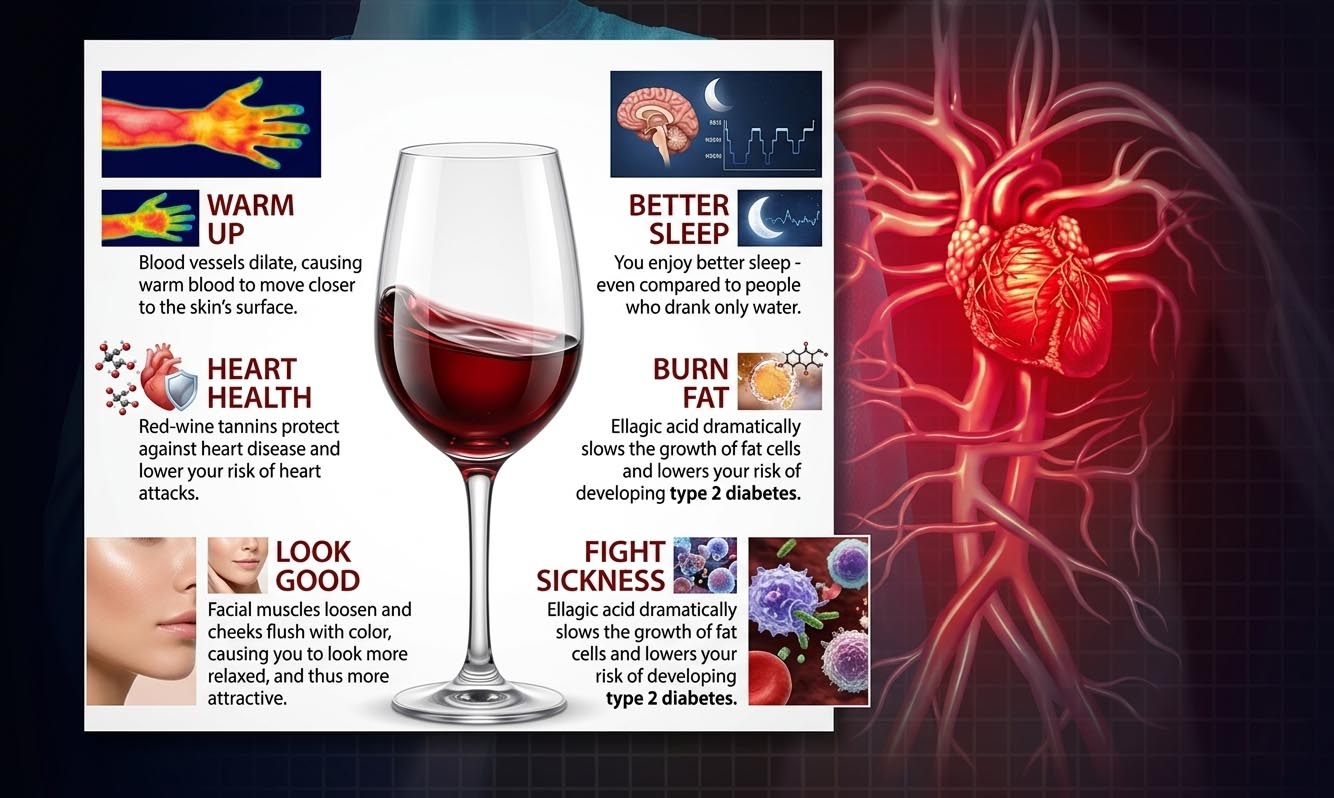
Short answer: in moderation, a daily glass of wine can have some benefits—but it’s important to know your limits. Let’s break down what happens in your body and what the numbers say.
Magic in a Glass: 8,000 Years of Culture
Wine isn’t just a drink; it’s the story of civilization. Archaeologists have found evidence of winemaking dating back over 8,000 years, with the earliest roots in Georgia. It was there, in ancient clay vessels called qvevri, that the first unique vintages were born. Since then, wine has evolved from a simple staple to a global symbol of status and wellness.
Ancient Greece: When Wine Became Medicine
The Greeks were the first to treat wine as a serious health tool. Hippocrates, the father of medicine, prescribed red wine as an antiseptic, a diuretic, and even a sedative. Back then, it was believed a good vintage could “purify the blood” and restore vitality. The Greeks were also the first to classify grapes by their medicinal effects, effectively founding the science of enology.
The Immediate Effect: What Happens After One Sip?
The moment you take that first sip, your body kicks off a biochemical chain reaction. Whether it’s red or white, the wine starts working as soon as it hits your palate:
- Digestion: A glass of wine stimulates gastric juices, helping your body process “heavy” meals more efficiently.
- Blood Flow: Small amounts of ethanol (up to 30g) briefly dilate your blood vessels, which can help lower blood pressure.
- The “Feel-Good” Factor: Your brain releases endorphins, instantly melting away daily stress and anxiety.
While many people reach for a semi-sweet wine to unwind after work, dry varieties are generally considered the “healthier” choice from a chemical standpoint.
The Daily Ritual: Long-Term Perks
If you make a single glass of wine a daily habit, you’ll start noticing real changes within 2–3 weeks:
- Heart Health: Dry red is the gold standard here. According to WHO stats, those on a Mediterranean diet with moderate wine intake see a 25–30% drop in heart attack risk.
- Glowing Skin: Polyphenols fight off free radicals, keeping your skin looking fresh.
- Clearer Arteries: Wine boosts “good” cholesterol (HDL), which acts as a natural vacuum for your arteries.
With modern wine delivery services, keeping this healthy ritual going has never been easier.
The Numbers Behind the Benefits
Moderate consumption isn’t just a habit; it’s an investment in longevity. A Harvard study of over 50,000 people showed some striking results:
- Cardio: Resveratrol (found in grape skins) cuts the risk of blood clots by 20%.
- Brain Power: Moderate drinkers are 40% less likely to develop Alzheimer’s than total abstainers.
- Diabetes: It can improve insulin sensitivity, cutting the risk of Type 2 diabetes by 30%.
A Surprising Fact: Wine & Submariners
Sounds unexpected, but it’s true:
In some cases, small amounts of wine were included in naval rations on long submarine missions.
Why?
- to reduce stress
- to support mental well-being
- as part of a controlled diet
Of course, everything was строго regulated.
When Doctors Give the Green Light
Modern medicine identifies several cases where a small glass (around 4–5 oz) can be beneficial:
- Anemia: Red wines are packed with iron and B vitamins.
- Low Blood Pressure: A small dose helps normalize “hypotension.”
- Chronic Fatigue: Wine acts as a mild, natural adaptogen to help you reset.
To get the benefits, quality is everything. Look for reputable brands—like Silk Road Wines—that guarantee the purity of the terroir in every bottle.
How to Pick the Right Bottle
To get the most out of your glass, you need the “real deal”:
- Look for Famous Regions: Think Kakheti in Georgia or Bordeaux in France.
- Check the Process: Traditional methods (like qvevri) preserve more antioxidants.
- Keep it Clean: Aim for wines with minimal sulfites.
The wine world is massive, but true fans know that quality comes from heritage and passion.
Choose wisely, drink moderately, and enjoy every sip!