


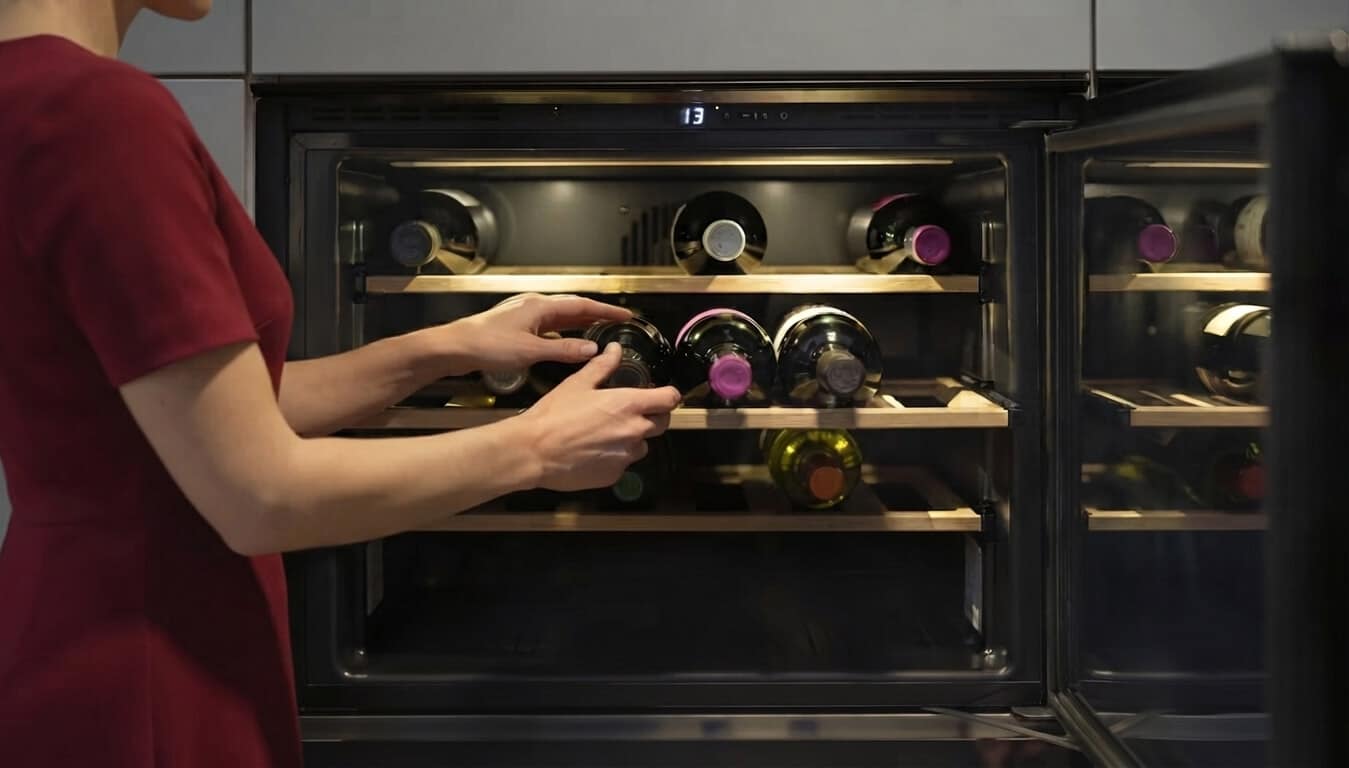
How should you store wine? Proper storage conditions help preserve a wine’s flavor, aroma, and quality for years. In this article, we’ll look at how wine was stored throughout history, today’s recommended storage practices, the different types of wine packaging available, and the ideal serving temperatures for various styles of wine.
Whether you enjoy white, red, semi-sweet, or sweet wine, proper storage has a direct impact on its taste and overall quality. Even the finest bottle can lose its character if basic storage guidelines aren’t followed. Let’s explore how wine storage has evolved over time, why glass bottles became the global standard, how modern packaging compares, and what every wine lover should know after purchasing a bottle.
How People Stored Wine Thousands of Years Ago
For thousands of years, people searched for ways to preserve wine for as long as possible. Archaeologists believe the earliest evidence of winemaking dates back to around 6000 BC in what is now the Caucasus region. At that time, glass bottles did not exist.
The primary storage vessels included:
- Clay jars
- Large amphorae
- Wooden barrels
Clay remained the preferred storage material for centuries. In Georgia, winemakers still use traditional qvevri—large clay vessels that can hold thousands of liters and are buried underground. The surrounding earth naturally maintains a stable temperature year-round, creating an effective wine cellar long before electricity existed.
Later, Europeans recognized the advantages of oak barrels. They were easier to transport than clay vessels, more durable, and added new flavors and aromas to the wine through oak aging. These barrels were typically stored in underground cellars where temperatures remained stable throughout the year.
People also drank wine very differently than we do today. Ancient Romans frequently diluted wine with water and served it in metal goblets, ceramic cups, or silver vessels. Glass wine glasses appeared much later and remained luxury items for centuries.
Interesting fact: In ancient times, wine rarely traveled more than a few hundred miles from where it was produced. Today, more than 100 million hectoliters of wine are exported worldwide each year, connecting thousands of wineries across nearly every continent.
When Did Glass Wine Bottles Appear?
Although humans learned to make glass thousands of years ago, early glass bottles were expensive and extremely fragile.
A major breakthrough came during the 17th century when English glassmakers began using coal-fired furnaces. This produced much stronger glass, allowing bottles to become thicker and far more durable.
Around this time, the familiar dark-colored bottle with a long neck also became common.
Another important innovation was the natural cork. Cork allowed bottles to be sealed tightly, making long-term aging possible for certain wines.
By the 18th century, glass bottles had become the standard for storing quality wine. Today, more than 70% of the world’s wine is still sold in glass bottles.
It’s no coincidence that many of the world’s most famous wine regions continue to rely on glass—it remains one of the most reliable options for long-term aging.
Types of Wine Packaging Available Today
Modern consumers can choose from several packaging formats, each with its own advantages and disadvantages.
Glass Bottle
Advantages:
- Ideal for long-term storage
- Preserves flavor and aroma
- Elegant presentation
- Preferred for premium and collectible wines
Disadvantages:
- Heavy
- Breakable
- More expensive to transport
For these reasons, nearly all premium wines continue to be bottled in glass.
Bag-in-Box
This packaging contains a multi-layer plastic bag inside a cardboard box.
Advantages:
- Lightweight
- Easy to store
- Once opened, wine can stay fresh for 4–6 weeks because very little air enters the bag
- Excellent for everyday drinking
Disadvantages:
- Not intended for long-term aging
- Rarely used for premium wines
Aluminum Can
The newest wine packaging format.
Advantages:
- Chills quickly
- Convenient for picnics and outdoor activities
- Lightweight
- Completely blocks light exposure
Disadvantages:
- Smaller serving size
- Not suitable for aging
- Still not widely adopted by all wineries
Industry reports estimate that wine sales in alternative packaging formats are growing by approximately 5–8% annually. However, glass bottles remain the worldwide standard for quality wine.
How to Store Wine at Home
Most wines do not require decades of aging. Roughly 90% of the bottles sold in stores are intended to be enjoyed within one to three years after purchase.
Even if you don’t own a dedicated wine refrigerator, following a few simple rules will help protect your wine.
1. Temperature
The ideal storage temperature is between 10–14°C (50–57°F).
Consistency is more important than perfection. Frequent temperature fluctuations are far more damaging than maintaining a temperature slightly above or below the ideal range.
2. Protect Wine from Light
Sunlight gradually breaks down aromatic compounds inside the bottle.
That’s one reason why most wine bottles are dark green or brown.
3. Store Cork-Sealed Bottles Horizontally
If the bottle has a natural cork, store it on its side.
This keeps the cork moist and helps prevent air from entering the bottle.
For screw-cap bottles, storage position is much less important.
4. Maintain Proper Humidity
The ideal humidity level is 60–70%.
Air that is too dry can cause natural corks to dry out over time.
5. Avoid Vibrations
Don’t store wine next to washing machines, vibrating refrigerators, or large speakers.
Believe it or not, wine prefers a quiet environment.
Helpful Storage Tips
- Don’t leave wine on a sunny kitchen windowsill.
- Use a vacuum wine stopper after opening a bottle.
- Opened white wine is best consumed within 2–4 days.
- Opened red wine typically remains enjoyable for 3–5 days.
- If you regularly enjoy different wines, a small wine refrigerator can be an excellent investment.
Ideal Wine Serving Temperatures and Why Some Wines Are Decanted
Even an outstanding wine can be disappointing if served at the wrong temperature.
General serving guidelines:
- Sparkling wine: 6–8°C (43–46°F)
- White wine: 8–12°C (46–54°F)
- Rosé: 10–12°C (50–54°F)
- Light red wine: 12–15°C (54–59°F)
- Full-bodied red wine: 16–18°C (61–64°F)
- Sweet and dessert wines: 8–12°C (46–54°F)
Wine served too cold loses much of its aroma, while wine served too warm can taste overly alcoholic.
What Is Decanting?
Decanting is the process of pouring wine from the bottle into a special glass vessel called a decanter.
Why decant wine?
- To expose it to oxygen
- To help aromas develop
- To separate sediment found in older wines
Young red wines often benefit from 20–40 minutes in a decanter. Older collectible wines, however, should usually be decanted carefully and served shortly afterward.
One important note: not every wine should be decanted. Most young white wines and sparkling wines do not benefit from this process.
The Bottom Line
Great wine begins not only with quality grapes but also with proper storage. Over thousands of years, wine storage has evolved from clay vessels and oak barrels to modern glass bottles, bag-in-box packaging, and aluminum cans. Each format has its advantages, but glass remains the gold standard for long-term storage and aging.
When purchasing wine, pay attention not only to the producer and price but also to how you’ll store it afterward. Even a rare or exceptional bottle can lose much of its character if left in direct sunlight or near a heat source. Follow a few simple storage guidelines, serve white, red, semi-sweet, and sweet wines at the proper temperatures, and don’t hesitate to use a decanter when appropriate. Doing so will help you enjoy every bottle at its very best.